
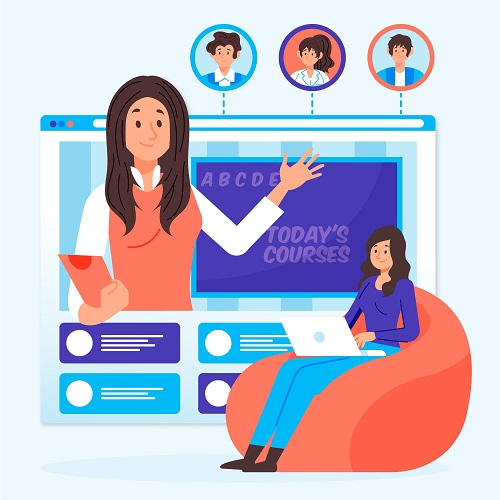
In recent years, educators across the globe have found themselves navigating an unprecedented transition: shifting their teaching habits from traditional classrooms to online environments. Today’s learning landscape demands flexibility, digital fluency, and innovative approaches that honor both academic rigor and student engagement. In this comprehensive guide, we explore how teachers can make this transition successfully while embracing the power of online learning.
Introduction: Understanding the Shift in Education
The evolution of education toward digital formats didn’t happen in overnight, but global circumstances — especially the extended period of remote learning — accelerated the need for teachers to rethink how they teach. What once was considered supplementary has become central: educators now must design lessons that work effectively in a virtual classroom while maintaining the integrity of instruction that was once delivered face-to-face.
This transition requires more than technical know-how; it demands a paradigm shift in pedagogy, communication, and engagement. Through this article, teachers will gain a roadmap to adapt traditional teaching habits, enrich their online practice, and create meaningful learning experiences regardless of physical location.
The Importance of Online Teaching and Its Benefits
Online teaching isn’t just a stopgap solution; it represents a fundamental change in how learning happens. When delivered well, online classes extend access to education, allow learners to engage with content at their own pace, and promote flexibility that traditional classrooms sometimes cannot offer. At the heart of this shift are tools and systems — such as learning platforms and communication technologies — that enable educators to design learning spaces that are interactive, accessible, and student-centered.
Research shows that when virtual classrooms are well organized and thoughtfully structured, students perceive them as legitimate learning spaces, which increases their sense of confidence and autonomy. Teachers who embrace this mindset find that online teaching creates opportunities for innovation that go beyond the limitations of physical classrooms.
Assessing Traditional Teaching Habits before Transition
Before fully stepping into a virtual environment, it’s essential for teachers to reflect on their current teaching habits. Traditional settings rely heavily on routines, nonverbal cues, and real-time interaction — all of which may not translate directly to an online setting. For example, spontaneous class discussions or real-time demonstrations that work wonderfully in person often need to be redesigned to fit digital platforms.
Teachers should start by identifying strengths in their current approach and ask: Which of these can be carried over? What needs transformation? This kind of introspection helps to bridge the gap between past practices and future possibilities. Understanding your own strengths and areas for growth empowers you to tailor your teaching for the online environment rather than simply replicating in-person lessons on a screen.
Mastering the Technology That Powers Online Teaching
An effective online teacher is, in many ways, a proficient technologist. Although deep technical expertise isn’t required, familiarity with key tools — such as Learning Management Systems (LMS), video conferencing platforms, online whiteboards, and collaborative document editors — is crucial for creating a smooth and engaging class experience.
Investing time in learning the features and limitations of these platforms will pay dividends in the classroom. For example, understanding how to set up a virtual breakout room for small group discussions or how to embed multimedia resources into a lesson can transform passive content into dynamic learning opportunities. Teachers should also prepare backup plans in case technology fails, ensuring instruction continues uninterrupted even when glitches occur.
Creating a Structured and Organized Virtual Classroom
Once the tools are in place, the next step is designing an online environment that students can navigate with ease. Organization matters immensely in online teaching — students should always know where to find assignments, how to submit work, and when to join synchronous sessions. A single hub or dashboard where learners can access lessons, announcements, and resources reduces confusion and fosters independence.
Like a physical classroom with labeled materials and defined spaces, an online classroom should feel familiar and dependable. Establish a consistent layout for each week’s content and use clear naming conventions for topics and files. When students can navigate your virtual space with confidence, they spend less time troubleshooting and more time learning.
Adapting Teaching Styles for Engagement and Clarity
Teaching online requires intentional communication and active facilitation. Unlike a physical setting where proximity and body language help maintain attention, virtual classrooms demand deliberate strategies to ensure clarity and engagement. Teachers should break complex topics into digestible segments and weave in opportunities for interaction — whether through discussions, polls, quizzes, or collaborative documents.
Clarity is especially important: students rely on written instructions, video cues, and concise messaging to understand expectations. Use clear language, provide examples when possible, and always outline the goals for a lesson at the beginning. This way, learners understand both the why and the how of the activity.
Designing Engaging Online Content with Accessibility
A key strength of online teaching lies in its flexibility to present content in multiple formats. Incorporating multimedia — such as videos, podcasts, animated visuals, and interactive simulations — helps maintain student interest and supports various learning styles. Teachers should also ensure that materials are accessible to all learners, including those with diverse needs. This means providing alternative text for images, transcripts for videos, and readable formats for all documents.
Engaging content should be relevant, purposeful, and connected to real-world contexts whenever possible. When students see the relevance of what they’re learning, motivation increases — even in virtual environments.
Encouraging Interaction and Community Building
One of the biggest challenges in online learning is fostering a sense of community. In a physical classroom, students connect naturally through group work, class discussions, and shared activities. In a digital context, teachers must build these opportunities intentionally.
Tools like discussion boards, student groups, breakout rooms for small group collaboration, and peer review assignments encourage students to engage with one another, share perspectives, and feel part of a learning community. Engagement doesn’t just make learning more enjoyable — research shows that interaction boosts retention and deepens understanding.
Providing Timely and Meaningful Feedback
Feedback in online teaching must be deliberate and timely to reinforce progress and guide improvements. Unlike traditional classrooms where feedback can happen spontaneously through verbal cues or written notes, virtual classrooms require structure around feedback cycles. Teachers should use rubrics to communicate expectations clearly and return assessments with personalized comments that help students grow.
Feedback isn’t only about correction; it’s about encouragement, affirmation, and helping learners understand the next steps. When students know where they stand and how to improve, they’re more likely to remain engaged and motivated.
Communicating Effectively With Students and Families
Communication in online teaching extends beyond delivering lessons — it’s about building relationships. Regular check-ins, announcements, office hours, and clear updates help students feel supported and aware of expectations. Because students and families may be navigating unusual circumstances, consistency and clarity in communication reduce confusion and create a sense of stability.
Teachers should set clear communication norms at the start of the course: how and when students can reach out, response times, and preferred channels (e.g., email, messaging platforms, video calls). This sets expectations and prevents misunderstandings.
Overcoming Common Challenges in Online Migration
Migrating to online teaching isn’t without obstacles. Technology issues, limited access for some learners, and struggles with student engagement are common pain points. Teachers must be patient with themselves, flexible in their plans, and willing to adjust strategies based on student feedback.
Rather than attempting to replicate classroom teaching exactly, educators should embrace the unique affordances of online environments and adapt methods that work best for digital learning. This might mean breaking content into shorter segments, using repeated patterns for predictability, or incorporating asynchronous elements so students can learn at times that suit them.
Continuing Professional Development for Online Practice
Effective online teaching isn’t static — it requires ongoing growth. Professional development opportunities such as workshops, online courses, and communities of practice help teachers stay current with best practices and evolving technologies. Engaging in professional learning networks allows educators to share insights, discover new tools, and support each other through challenges.
Continuously learning not only enhances instructional skills but also builds confidence and resilience — essential traits for navigating the ever-changing educational landscape.
The Future of Teaching: Merging Online and Traditional Models
As teachers become more adept at online instruction, the future of education is likely to embrace a blend of traditional and digital learning modes. Hybrid models that combine the best of in-person and online learning harness flexibility, personalization, and accessibility — ultimately benefiting a broader range of learners. Teachers who can balance these approaches will be uniquely positioned to design innovative learning experiences that maximize student success.
Final Takeaways: Empowering Educators for the Virtual Classroom
Migrating your teaching habits from conventional classrooms to the online world requires intention, adaptability, and a student-centered mindset. By learning how to structure effective virtual environments, engage learners through thoughtful content and interaction, and continually refine your teaching practice, you can make online teaching both meaningful and rewarding.
This transformation is not just about technology — it’s about using tools strategically to build connected, engaging, and empowering learning experiences for every student. As you navigate this journey, remember that each challenge presents an opportunity to grow, innovate, and elevate your teaching to new heights.
For more articles click here