Education Guru

Online Education

A Critical Analysis Of The Differences In Curriculum Between The Education Boards

Classroom with students - mentioned for a type of Education Board

As parents, one of the most important decisions we can make is the education of our children. Deciding which education board to choose can be a daunting task, as each board offers a different curriculum and approach to learning. In this blog post, we will be taking a critical look at the differences between the various education boards in terms of their curriculum, so that you can make an informed decision on which one is best suited for your child.

The Importance of a Good Education

Education plays an integral role in a child’s growth and development. It is the most important factor that will shape their future, and a good education is paramount in helping children acquire the knowledge, skills and attitudes that are necessary for a successful life. In India, there are three major types of education boards—CBSE (Central Board of Secondary Education), ICSE (Indian Certificate of Secondary Education), NIOS (National Institute of Open Schooling) and State Board. Each board has its own set of syllabus, teaching methodology, examination pattern and grading system. Therefore, choosing the right education board for your child is essential in giving them the best start in life.

The Different Types of Education Boards

When it comes to choosing the right education board for your child, there are several options to consider. The most popular education boards CBSE, ICSE, NIOS and the State Board. Each of these boards has its own unique set of advantages and disadvantages.

The Central Board of Secondary Education (CBSE) is an education board established by the Government of India. It is one of the most widely accepted boards in India, with schools in nearly every state and union territory. This board offers an extensive curriculum covering a wide range of subjects including Mathematics, Science, Social Studies, English, and Hindi. CBSE also offers vocational courses in various fields such as engineering, agriculture, computer applications, tourism, fashion designing, and journalism.

The Indian Certificate of Secondary Education (ICSE) is another education board that is recognized nationwide. It is based on the Cambridge International Examination (CIE) syllabus and covers a variety of topics including English, mathematics, science, social studies, and languages. ICSE focuses on building a strong foundation in all core subjects and encourages students to explore their individual interests.

The National Institute of Open Schooling (NIOS) is an open schooling system that provides distance learning opportunities for students who are unable to attend regular school. This board offers courses ranging from elementary to senior secondary level and covers topics such as humanities, science, commerce, and information technology. NIOS also provides a platform for students to gain industry-relevant certifications and diplomas.

The State Board is also a popular option for education in India. It is managed by the respective state governments and offers courses as per the specific curriculum prescribed by each state. These boards offer academic subjects such as mathematics, science, and social studies along with vocational courses such as cooking, carpentry, and tailoring.

Each of these education boards offers its own advantages and disadvantages. Before choosing the right board for your child’s education, it is important to research thoroughly and consider all aspects of each board before making your decision.

The Pros and Cons of Each Board

When it comes to choosing the right education board for your child, there are a variety of factors that need to be taken into consideration. Different states have different State board systems for their schools and universities, each with their own unique set of pros and cons.

State board systems are often highly structured, with specific curricula, teaching methods and evaluation processes. The curricula are designed to prepare students for both their academic and professional lives after high school. The structure of the state boards can provide a consistent and dependable foundation for students to build upon throughout their educational career.

However, state board systems may be too rigid for some students, offering little in terms of creativity or flexibility. This can lead to a lack of enthusiasm from students, as well as uninspiring results in their studies. Furthermore, the standardized nature of state board systems means that the curriculum may not suit every student’s individual needs.

It is therefore important to weigh up the pros and cons of each board carefully before making a decision. Each board should be assessed on its own merits in order to determine which one will best benefit your child’s future success.

Which Board is better for Your Child?

It is important to consider the pros and cons of each board when deciding which type of education is best for your child. It is ultimately up to the parent or guardian to determine what works best for their child, but there are a few considerations that can be made.

The first consideration is the type of curriculum that each board offers. Each board provides its own type of curriculum and this will impact the types of learning opportunities available to the student. Generally speaking, traditional boards offer more traditional educational materials such as textbooks and lectures, while progressive boards offer more interactive and experiential learning opportunities such as hands-on projects, field trips, and problem solving activities. It is important to consider which type of learning style best suits your child before making a decision.

The second consideration is the structure and quality of each board’s assessment system. Different boards have different forms of assessment, such as multiple-choice tests, essay writing assignments, and projects. Depending on your child’s strengths and weaknesses, one form of assessment may be better suited than another. It is important to research the type of assessments that each board uses so that you can make an informed decision.

Lastly, it is important to consider the cost associated with each board. Different boards may have varying fees associated with their programs and it is important to research these fees to make sure they are reasonable and within your budget. Furthermore, you should consider any additional costs associated with attending a particular school that offers a certain board’s program.

In conclusion, it is important to carefully consider the various factors when determining which board is better for your child. It is ultimately up to the parent or guardian to determine which type of education best fits their child’s needs, but the considerations above can help make an informed decision.

For more articles click here

A Critical Analysis Of The Differences In Curriculum Between The Education Boards Read More »
Five Ways To Use Technology In Your Virtual Classroom

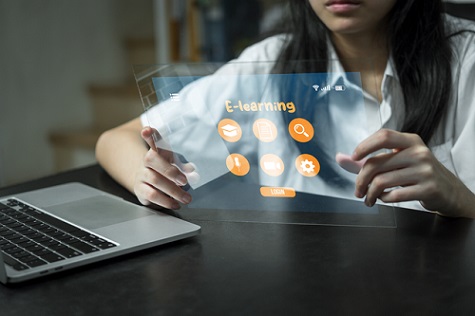
The girl is using a technology of touch screen Laptop for attending Virtual class

As digital education continues to evolve, virtual classrooms are becoming increasingly popular among educators. This technology offers many advantages over traditional classroom learning, including greater accessibility and convenience. With the right tools and strategies, teachers can maximize the potential of virtual classrooms to create a meaningful learning experience for their students. In this blog post, we will be exploring five ways to use technology in your virtual classroom to make learning more effective and engaging.

Live-streaming your class

Live-streaming your class is a great way to incorporate technology into your virtual classroom. It allows you to broadcast your lectures, activities, and other instruction in real time for students who are unable to physically attend class. This can be especially useful for eLearning, online learning, and distance learning courses. Live streaming your classes provides the same level of interactivity and engagement as a physical classroom, allowing students to have a more meaningful learning experience.

When setting up a live stream for your class, there are a few things to consider. First, make sure that you have a reliable streaming service that can handle large numbers of viewers. You’ll also need an internet connection that is strong enough to support the live stream. Additionally, it’s important to ensure that you are recording the stream in high quality audio and video so that students can view the content clearly. Finally, don’t forget to test the stream ahead of time to make sure that everything is running smoothly and that the audio and video quality is good.

Creating a virtual classroom

Creating a virtual classroom is an essential part of eLearning, online learning, and distance learning. In a virtual classroom, the instructor and students interact with each other using a computer-mediated communication platform such as Zoom or Skype. This type of classroom provides students with the opportunity to engage in real-time communication with their peers and the instructor.

The most important step when creating a virtual classroom is to make sure you have the necessary hardware and software installed. You’ll need reliable internet access, a microphone, a webcam, and an audio/video conferencing platform such as Zoom or Skype. Additionally, consider purchasing hardware that can be used to create content such as interactive whiteboards and audio/visual recording equipment.

Once the hardware is in place, it’s time to think about how you’ll set up your virtual classroom. Establishing ground rules and expectations is the key to successful online learning. Make sure to create rules regarding acceptable behavior in the virtual classroom and provide clear instructions for how to submit assignments and participate in class discussions.

Ensuring the virtual classroom has a positive atmosphere is also important. Ask students to post their own profile photos or introduce themselves using video during the first class meeting. You can also incorporate discussion boards, polls, or surveys into your lesson plans to increase engagement and interaction in the virtual classroom.

Finally, make sure to take advantage of the unique features available in virtual classrooms. Incorporate multimedia such as videos, podcasts, and slideshows into your lessons to help keep students engaged. Additionally, consider creating interactive activities such as breakout rooms or group projects to keep students motivated and interested in their online learning experience.

Using video conferencing

Video conferencing is a great way to engage with students in your virtual classroom. With this technology, you can easily connect with your students regardless of their physical location and create an interactive learning experience. Video conferencing tools like Skype, Zoom, and Google Hangouts make it easy for you to communicate with your students, answer questions, and give lectures. It also allows your students to interact with each other while allowing you to monitor their progress.

Video conferencing is especially useful for distance and eLearning courses, where it is difficult to connect with students on a personal level. It can help to bridge the gap between student and teacher, making the learning experience more engaging. With video conferencing, you can host lectures, lead class discussions, and provide feedback to your students in real-time. This makes it easier for you to ensure that your students are getting the most out of the material being taught. Additionally, video conferencing is a great way to host student presentations and group projects, allowing you to monitor their progress in an engaging and meaningful way.

Online collaboration tools

In the world of distance learning, online collaboration tools are essential for successful teaching and learning. These tools allow students and teachers to work together in a virtual environment. Tools such as Google Docs, Trello, or Slack provide a platform for shared document editing, task management, and real-time communication.

Using these tools, teachers can easily assign projects and tasks to their students, with the ability to track progress, receive feedback, and manage resources more efficiently. Additionally, students can collaborate with each other to complete group assignments and get instant feedback. This allows them to discuss their ideas more effectively and gain more insight into the material they are studying.

Online collaboration tools also allow students to receive support from each other and the teacher in real-time. Instant messaging applications such as Skype or Discord can be used to provide instant feedback and help students with any issues they may have with their coursework.

Online collaboration tools are an invaluable resource for distance learning and can greatly improve the learning experience for both teachers and students. By incorporating these tools into your virtual classroom, you can maximize engagement, optimize student performance, and make learning easier for everyone.

E-learning platforms

E-learning platforms are an effective way of delivering learning content to your virtual classroom. The platforms allow you to store, organize, and access course materials, lectures, quizzes, assessments, and other resources online. They also allow you to track student progress and offer support for personalized instruction.

It is easy to use and provide a variety of tools to create engaging content. You can upload videos, slideshows, audio files, and other documents that can be used to supplement traditional instruction. Additionally, you can create interactive exercises or quizzes to help your students better understand the material.

The platform also provide a great way to assess student performance. Through the platform, you can create tests or assignments that students can complete and submit for evaluation. The results from these activities can be automatically graded, so you can quickly and easily measure the progress of each student in your class. It is an invaluable tool for virtual classrooms as they enable teachers to deliver a rich learning experience for their students. They provide students with access to a wide range of materials, activities, and assessments, as well as allow teachers to track student progress and give personalized instruction.

For more articles click here

Five Ways To Use Technology In Your Virtual Classroom Read More »

Pros & Cons Of Different Educational Boards In The Market

The big classroom with Smart Board & OHP  and students present in classroom in front of Teacher

There are many types of Education Boards available in the market today. Broadcasters like CBSE, State Boards, NIOS, ICSE, etc. Each of them has its own unique set of pros and cons. It can be hard to decide which one is right for your child.

In this article, we will take a look at the pros and cons of different types of Education Boards in India, so that you can make an informed decision about which one is right for your child.

The Various Education Boards

There are a variety of education boards available in the market, each with its own set of advantages and disadvantages. It is essential to choose the right education board for your child based on their needs and learning style.

Some of the most popular Education Boards in India are:

1. CBSE: The Central Board of Secondary Education is a nationally recognized board of education in India. It is run by the government of India and is affiliated with the University of Cambridge.

2. State Boards: These are boards of education that are run by state governments in India. Each state has its board of education, which sets its curriculum and standardized tests.

3. NIOS: The National Institute of Open Schooling is a distance learning institution that is run by the Ministry of Human Resource Development.

In addition to that, some of the most popular education boards in the market include the International Baccalaureate (IB) and the Council for the Indian School Certificate Examinations (CISCE). Each of these boards has its own unique strengths and weaknesses, so it is important to do your research before making a decision.

The IB is a globally recognized program that offers a well-rounded education. However, it can be quite challenging, and not all schools offer it. The CISCE is a good option for students who want to pursue a career in India.

The Pros of each Education Board

There are a few things you should consider when trying to decide on the best education board for your future. In this article, we’ll take a look at the pros of each type of education board in the market.

The first type of education board is the traditional education board. This type of board is usually found in public schools and offers a more traditional education. The traditional education board usually offers a more well-rounded education and can prepare students for a variety of careers.

The second type of education board is the charter school education board. This type of board is usually found in private schools and offers more specialized education. The charter school education board usually focuses on a particular subject or career path.

The third type of education board is the online education board. This type of board is becoming more popular as technology advances. Online Education boards are virtual platforms where students can access educational materials, interact with teachers and other students, and receive online tutoring. Online education boards offer flexible schedules and can be accessed from anywhere with an internet connection.

The fourth type of education board is the vocational education board. This type of board is responsible for authorizing and overseeing vocational programs that offer training and certification in a specific trade or industry. Vocational education boards usually work in conjunction with business and industry leaders to ensure their programs meet the needs of the job market.

Regardless of the type of education board, all have the responsibility of ensuring that students receive a quality education that prepares them for success in life. They create policy, oversee budgets and spending, and supervise educational programs and staff to ensure students receive the best possible education.

The Cons of each Education Board

There are many different types of education boards available in the market today. Each education board has its own set of pros and cons.

The most common types of education boards are the public school system, the charter school system, and the private school system.

The public school system is the largest and most widely available type of education board. It is funded by taxpayers and is overseen by the government. The public school system offers free education to all children who reside within the boundaries of the school district. The Pros of the public school system are that it is free, and there are many school districts to choose from. The Cons of the public school system are that can be overcrowded, understaffed, and underfunded, leading to lower teacher and student morale and poorer learning outcomes.

The charter school system is a type of public school system that operates independently of the local school district. Charter schools are publicly funded but are managed by private organizations or individuals. Charter schools have more flexibility to develop their own curriculum and teaching methods, and they often focus on specific subject areas or student populations. The Pros of the charter school system are that they provide more choices for parents and students, offer specialized programs, and have smaller class sizes. The Cons of the charter school system are that they may have less accountability and oversight than traditional public schools and can be more expensive to operate.

The private school system is an independent education board that is not funded or overseen by the government. Private schools are funded by tuition and donations from parents and supporters. Private schools can offer specialized programs, smaller class sizes, and a higher level of individual attention. The Pros of the private school system are that they often offer a more rigorous academic program, have smaller class sizes, and may have more advanced technology and facilities. The cons of the private school system are that it can be expensive, exclusive, and may not offer the same level of diversity and inclusion as public schools.

Which Education Board is Right for you?

Deciding which education board is right for you and your child is a huge decision. But don’t worry, we’re here to help. We’ll provide some guidance on what to consider when making your decision.

There are three main education boards in India: the Public School Board, the Charter School System, and the Private School Board. Each of these boards has its advantages and disadvantages.

Public schools are funded by taxpayers and are therefore free to attend. They also have the largest selection of schools to choose from. However, public schools generally have larger class sizes and may not have the same level of resources as private schools. In addition, public schools often have to follow strict regulations and curriculums set by the government, which may not suit the individual needs of every student.

Charter schools are publicly funded but operate independently from the government system. They have more flexibility in terms of their curriculum and teaching methods and may have smaller class sizes and more resources than traditional public schools. However, they may also have a limited number of spaces available, and there may be a lottery system in place to determine who gets to attend.

Private schools are not funded by the government and charge tuition fees. They often have smaller class sizes, more resources, and more flexibility in their curriculum than public schools. However, they can be expensive and may not be accessible to all families. Private schools also vary widely in terms of their quality and can be unaffordable for many families.

Ultimately, the choice of education board comes down to personal preference, resources, and individual student needs. Parents should weigh the advantages and disadvantages of each option carefully and choose the one that best suits their child’s educational goals and their family’s financial situation.

For more articles click here

Pros & Cons Of Different Educational Boards In The Market Read More »

10 Tips For A Successful Virtual Learning Environment

An young man using Laptop for learning, teaching, training virtually used in online streaming watching videos

There are a number of factors that need to be taken into account when designing a successful virtual learning environment. In this blog post, we will explore 10 tips that will help you create a successful virtual learning experience for your students.

A virtual learning environment (VLE) is a type of distance learning that uses technology to deliver course content and support student interactions online. VLEs can be used for asynchronous or synchronous learning or a combination of both.

When done right, a VLE can provide a rich and engaging learning experience for students. However, there are a number of challenges that need to be considered when designing a VLE, such as ensuring student engagement, fostering a sense of community, and providing adequate support.

Keep reading to learn more about how to create a successful virtual learning environment for your students!


Establish Clear Learning Objectives

In order to create an effective learning experience, you first need to establish clear learning objectives. Without well-defined objectives, it will be difficult to create materials, activities, and assessments that are aligned with your goals. Furthermore, your students will not be able to achieve the desired outcomes if they do not know what they are supposed to be learning.

When creating your learning objectives, you should consider the following:

– What do you want your students to know at the end of the course?

– What skills do you want them to acquire?

– What attitudes or values do you want them to develop?

Once you have defined your objectives, you can begin creating your course materials.

Build a Dedicated Learning Space

Creating a comfortable and dedicated learning space is important for students of all ages. This can be a space in your home, a local library, or even a quiet corner in a coffee shop. It doesn’t need to be fancy or expensive – just a quiet place where you can focus on your studies.

Here are a few tips to help you build a dedicated learning space:

1. Choose a location that is quiet and free from distractions.

2. Make sure the space is well-lit and comfortable.

3. Stock the space with all the supplies you need, including books, notebooks, pens, and computer.

4. Set some simple rules for use of the space, such as no talking or no listening to music.

5. Finally, make sure to take breaks often and to keep the space clean and neat.

Incorporate a Mix of Learning Activities

When designing a learning activity, it is important to incorporate a mix of different activities that will engage all learners. Try to include activities that are hands-on, visual, and auditory to engage as many learners as possible.

Some ideas for activities include:

-Hands-on: Create a model of the solar system, build a namesake sculpture, dye Easter eggs

-Visual: Watch a movie about the Wright brothers, look at pictures of different animals in the rainforest, read a children’s book about Ramadan

-Auditory: Listen to a tape of a speech by Martin Luther King Jr., make a collage of sounds heard in a city, have a conversation in a foreign language

Utilize a Variety of Educational Resources

There are a variety of different educational resources available to help you learn more about your field. Utilizing these resources can help you stay up-to-date on the latest information and developments in your field, and can also help you expand your knowledge and expertise.

Some of the different types of educational resources available include online courses, books, articles, and lectures. Finding the right resource for you will depend on your learning style and preferences. However, there are a few general tips that can help you get started:

– When looking for online courses, look for reputable providers that offer courses relevant to your field.

– If you prefer to read books, look for titles that have been recommended by experts in your field.

– When searching for articles, look for those that have been peer-reviewed or published in respected journals.

Keep Students Engaged With Active Learning

Active learning is a type of instruction that engages students in the learning process by making them active participants in their own education. This means that students are not simply passively receiving information from a teacher, but are actively engaged in the process of learning.

There are many benefits to using active learning in the classroom. Studies have shown that active learning can lead to higher levels of student engagement and motivation, improved student attitudes, and better overall academic performance.

If you’re looking for ways to keep your students engaged and motivated, active learning is a great option. There are a variety of different activities that you can use to make your lessons more interactive, and we’ll explore some of them in this article.

Encourage Collaboration Among Students

In classrooms around the world, students are often discouraged from collaborating with their peers. This is because educators want students to learn how to think independently and to develop their own ideas. However, collaboration is an important skill that students need to learn in order to be successful in the workforce.

There are many benefits of collaboration, including the following:

– Students learn how to communicate and work with others.

– Students learn how to compromise and solve problems.

– Students learn how to be open-minded and respect different points of view.

If you want to encourage collaboration among your students, there are a few things you can do. First, try to create opportunities for students to work together. This can be done through group projects, cooperative learning activities, and class discussions. Secondly, model collaboration yourself by working with your colleagues and inviting guest.

Promote a Positive Learning Experience

Creating a positive learning experience is crucial to the success of any educational program. A positive learning environment is one where students feel safe, comfortable, and respected. It is also one where they can take risks, make mistakes, and learn from their mistakes.

There are a few key things you can do to promote a positive learning experience. First, make sure your classroom is physically comfortable. This means that it is well-lit, well-ventilated, and free of any distractions. Second, create a climate of trust and respect. This means being open and respectful of different points of view and creating an environment where everyone feels like they can contribute. Finally, make sure your curriculum is engaging and relevant.

Offer Continuous Support

It is essential to offer continuous support to maintain a successful learning environment. Here are some tips:

-Encourage students to seek help when they need it.

-Make yourself available to offer help when needed.

-Encourage students to help each other.

-Be patient and understanding.

-Provide feedback regularly.

Monitor Progress and Evaluate Results

As an educator, it is important to monitor progress and evaluate results in order to create a successful learning environment. This can be done in a variety of ways, such as formative and summative assessments, daily observations, and student feedback.

Here are some tips on how to effectively monitor progress and evaluate results:

– Use a variety of assessment methods to get a well-rounded view of student progress.

– Make sure to assess all students, not just the ones who are struggling or the ones who are excelling.

– Use data from assessments to inform instruction and make changes to the learning environment as needed.

– Communicate with students and parents about progress and evaluation results.

– Be open to feedback from students, parents, and colleagues about the learning environment.

Modify Your Approach as Needed

In any learning environment – whether it’s a traditional classroom, an online course, or a corporate training program – it’s important to be flexible and willing to adjust your approach as needed. This can be difficult, especially if you’re used to teaching in a certain way, but it’s essential for creating a successful learning environment.

Here are a few tips for being a more flexible teacher:

– Be open to feedback from your students. If they do not understand something, try explaining it differently.

– Be willing to try new methods of teaching. If something isn’t working, don’t be afraid to change it.

– Be patient. Learning new things can be difficult, so give your students the time and space they need to succeed.

By following these tips, you can create a more flexible and successful learning environment.

For more articles click here

10 Tips For A Successful Virtual Learning Environment Read More »

Evolution Happened In Digital Education

Laptop with notes, pen & cup of coffee on a table shows an evolution of Digital Education

Digital education is an educational process that includes the use of digital technologies to deliver, support, and enhance the learning process. It encompasses a wide range of activities, including the use of digital devices, virtual education, online education, virtual classroom, distance education, online learning, and more.

In recent years, there has been a growing trend of incorporating digital technologies into the education process. This trend is being driven by the need for more effective and efficient ways to deliver and support the learning process.

Digital education has several advantages over traditional education models. It is more flexible, efficient, and effective. It also has the potential to reach a wider audience and provide more customized learning experiences.

Digital education is an important trend that is revolutionizing the way education is delivered and experienced.

How Digital Education has Evolved?

Digital education has undergone a major evolution in recent years. What was once a niche area of education has now become a mainstream learning platform used by millions of students around the world? This shift has been driven by several factors, including the increasing availability of high-speed internet, the declining cost of online education, and the rise of mobile learning.

As digital education has become more commonplace, we have seen a number of different trends emerge. These trends include the rise of online courses, the popularity of mobile learning, and the growth of distance learning. Each of these trends has had a major impact on the way we learn and the way we think about education.

As more and more people turn to online learning we can expect to see new technologies and teaching methods being developed to improve the learning experience. One trend that is already emerging is the use of virtual and augmented reality in education. This technology allows students to immerse themselves in a simulated environment where they can practice their skills and learn in a more engaging way.

Digital education has also made education more accessible to people in remote areas or with disabilities. With distance learning, students can learn from anywhere with an internet connection, and they can do so at their own pace. This has opened up new opportunities for people who may not have been able to attend traditional schools, allowing them to pursue their education and career goals.

Overall, digital education has revolutionized the way we learn and has made education more accessible and convenient than ever before. While it may never fully replace traditional learning methods, it is clear that digital education will play an increasingly important role in the future of education.

What are the Benefits of Digital Education?

Digital education has a number of benefits over traditional education. First and foremost, it is more convenient and flexible. You can access digital educational resources at any time and from anywhere. Additionally, digital education is often more affordable than traditional education. And finally, digital education can often be more engaging and interactive than traditional education.

Digital education has a number of advantages over traditional education. It is more flexible and convenient, more affordable, and can often be more engaging. With these advantages, it is no wonder that digital education is becoming more and more popular.

Some Challenges of Digital Education

Digital education has been touted as the future of learning. It offers many advantages over traditional classroom-based education, such as increased flexibility and accessibility. However, there are also some potential challenges that come with digital education.

For one, online learning can be isolating. Since students are not physically in a classroom together, they can miss out on the social aspects of learning. Additionally, online students can sometimes feel like they are not getting the same quality of education as their peers in traditional classrooms. Additionally, digital education can be quite expensive, as it often requires students to have access to a computer and reliable internet.

Despite these potential challenges, digital education can be a great way for students to learn. It is important to be aware of the challenges, but with proper planning and support, they can be overcome.

How to Make Digital Education Better?

Digital education is not a new concept. It has been around for quite some time now. And, in recent years, it has become quite popular. With the rise of the internet and the advancement of technology, more and more people are turning to digital education for their learning needs.

However, despite its popularity, there are still some areas where digital education can be improved. In this article, we will discuss some ways in which digital education can be made better.

1. One of the ways in which digital education can be improved is by making it more interactive. At present, most digital education courses are quite static and lack interactivity. This can make the learning process quite boring and tedious. To make digital education more interactive, educators can use tools such as video, audio, and simulations.

2. Another way to make digital education better is by personalizing the learning experience for each student. The one-size-fits-all approach to education is no longer effective, as students have different learning styles and preferences. Educators can use technology tools to gather information about each student’s strengths and weaknesses and tailor their learning experience accordingly. This can include personalized feedback, customized materials, and tutoring services.

3. A third way to improve digital education is by promoting collaboration and peer-to-peer learning. Traditional education tends to be very teacher-centered, but digital education provides an opportunity to shift the focus to student-centered learning. By using online platforms and tools, educators can facilitate collaboration and interaction among students, allowing them to learn from each other and share ideas. This can lead to increased engagement and better learning outcomes.

4. Finally, digital education can be improved by incorporating experiential learning opportunities. This can include virtual field trips, simulations, and gamification. By providing hands-on experiences, educators can make learning more engaging and meaningful, and help students to develop practical skills that can be applied in the real world. Experiential learning can also help to foster curiosity and creativity and prepare students for the challenges of the 21st century.

For more articles click here

Evolution Happened In Digital Education Read More »

How To Choose The Right Virtual Learning Platform For Your Child

A person is learning through Laptop as he choose Virtual learning

With the COVID-19 pandemic resulting in the closure of schools around the world, many parents are now faced with the task of finding the right virtual learning platform for their children.

There are many different factors to consider when choosing a virtual learning platform for your child. These include the age of the child, the type of learning that is required, the level of interaction that is desired, and the cost.

With so many different options available, it can be difficult to know where to start. In this blog post, we will walk you through everything you need to know about choosing the right virtual learning platform for your child.

What is a Virtual Learning Platform?

A virtual learning platform refers to an online environment that allows students and teachers to interact with one another via the internet. This type of platform enables educators to create and deliver educational content to their students in a more interactive and engaging way. Virtual learning platforms are becoming increasingly popular in schools and universities as they offer a number of advantages over traditional classroom-based instruction.

Some of the benefits of using a virtual learning platform include the ability to reach a larger audience, the ability to customize content to meet the needs of individual students, and the ability to track student progress and engagement. Additionally, virtual learning platforms often provide a more affordable and convenient option for students who are unable to attend class in person.

Why Is It Important To Choose the Right One For Your Child?

As a parent, you want what’s best for your child. This includes finding the right schools, activities, and enrichment programs to help them grow and develop into happy and successful adults.

One important decision you’ll have to make is what kind of childcare you want for your child. There are many different options available, from daycare to nannies to babysitters. But how do you know which one is right for your child?

Each type of childcare has its own pros and cons, so it’s important to do your research and choose the option that best meets your child’s needs. Consider things like your budget, your child’s personality, and your own parenting style when making your decision.

Whichever type of childcare you choose, the most important thing is that you feel comfortable and confident leaving your child in their care.

What Factors Should you consider when choosing a virtual learning platform for your child?

There are many factors to consider when choosing a virtual learning platform for your child. The most important factor is your child’s learning style. Some children are better suited for visual learners, while others learn best through auditory or kinesthetic methods. There are also many different platforms to choose from, each with its own strengths and weaknesses.

Some other factors to consider include the cost of the platform, the needs of your child, and the features that are most important to you. Do you need a platform that is compatible with a specific device or software? Do you need a platform with built-in parental controls? Do you need a platform that offers a wide selection of courses?

The best way to choose a virtual learning platform for your child is to experiment with different platforms and find the one that works best for your child’s learning style.

How to choose the right virtual learning platform for your child

There are a lot of different virtual learning platforms out there, and it can be tough to choose the right one for your child. But don’t worry, we’re here to help. Here are a few things to consider when choosing a virtual learning platform for your child:

– The age of your child: Some platforms are better suited for younger children, while others are better for older kids.

– The learning style of your child: Some children learn best by listening to lectures, while others learn best by doing. Make sure the platform you choose caters to your child’s learning style.

– The subject matter: Some platforms offer a wide range of subjects, while others specialize in one or two subjects. Choose a platform that offers the subjects your child is interested in.

By keeping these things in mind, you should be able to select the best online learning platform for your child.

Some additional factors to consider when choosing an online learning platform for your child might include:

– Cost: Some online learning platforms are free, while others require a subscription or payment for access. Consider your budget and whether you are willing to pay for a high-quality platform.

– User-friendliness: Make sure the platform you choose is easy for your child to use and navigate, with clear instructions and a simple design.

– Interactivity: Look for platforms that offer engaging, interactive activities for your child to participate in, such as quizzes, games, or virtual field trips.

– Teacher support: Depending on your child’s needs, you may want to choose a platform that offers teacher support or feedback on their progress.

– Privacy and safety: Be sure to research the platform’s privacy policy and safety features, including measures to protect your child’s personal information and prevent inappropriate content from being displayed.

Overall, the best online learning platform for your child will depend on their individual learning style, interests, and needs. By taking the time to research and compare different options, you can find a platform that will effectively support your child’s education and ultimately help them succeed.

For more articles click here

How To Choose The Right Virtual Learning Platform For Your Child Read More »

The Top 5 Differences Between eLearning And Virtual Learning

A student is learning through Tab in a Virtual Learning comfortably from home

The terms eLearning and Virtual Learning are often used interchangeably. However, there are some key differences between the two that are worth noticing. Here are the top 5 differences between eLearning and virtual learning:

1. eLearning is a type of distance learning that is facilitated by electronic means. It includes the use of computers, the internet, and other digital technologies to deliver course content and instruction. Virtual learning, on the other hand, is a type of instruction that takes place in a simulated or virtual environment. This environment can be created by using computers, software, and other digital technologies.

2. eLearning is typically delivered through an online learning platform or a Learning Management System (LMS). Virtual learning, on the other hand, can be delivered through a Virtual Learning Environment (VLE) or a Virtual Classroom.

3. eLearning is typically asynchronous, meaning that learners can access course content and materials at their own convenience. Virtual learning, on the other hand, is often synchronous, meaning that learners are required to participate in live, online sessions at specific times.

The key difference between eLearning and virtual learning, therefore, is the level of real-time interaction and collaboration involved. E-learning may involve some degree of interaction with fellow learners or instructors, but it is generally self-paced and does not require synchronous participation.

Virtual learning, on the other hand, typically involves real-time, interactive sessions that require learners to be present at a specific time. This may include live lectures, webinars, or other types of online training sessions that allow learners to engage with instructors and fellow learners in real time.

Overall, both eLearning and virtual learning offer valuable opportunities for learning and development. The choice between the two approaches will depend on a range of factors, including the specific learning objectives, the needs and preferences of learners, and the resources available to support the training or educational program.

So, finally what are the top 5 differences between eLearning and virtual learning?

1. Learning styles: eLearning is more flexible and can accommodate different learning styles. Virtual learning, on the other hand, is more structured.

2. Social interaction: eLearning offers more opportunities for social interaction. Virtual learning is more isolating.

3. Learner control: eLearning gives learners more control over their learning experience. Virtual learning is more linear.

4. Choice of the environment: eLearning takes place in a variety of environments. Virtual learning is more limited.

5. Pace of learning: eLearning allows learners to set their own pace. Virtual learning is more fixed.

For more articles click here

The Top 5 Differences Between eLearning And Virtual Learning Read More »

The Different Types of Distance Learning: Which One Is Right For You?

A student studying through tab as a method of distance learning

The Covid-19 pandemic has resulted in the widespread shutdown of educational institutions around the world. In response, many educators have turned to distance learning as a way to continue teaching their students.

Distance learning, also known as digital education or online learning, is a field of education that relies on electronic technologies to deliver educational content and facilitate communication between teachers and students.

There are many advantages to distance learning, including the ability to reach a larger audience, the increased flexibility for students, and the reduced costs for educational institutions. However, some challenges need to be taken into consideration, such as the potential for decreased interaction and the need for self-motivation.

If you are considering distance learning as an option for your education, this blog will provide you with an introduction to the field and what you need to know to get started.

The Different Types of Distance Learning: Which One Is Right For You?

There are many different types of distance learning, each with its own advantages and disadvantages. In this article, we’ll take a look at the different types of distance learning and help you decide which one is right for you.

Here are some of the most common types of distance learning:

– Self-paced learning: This type of learning allows students to work at their own pace and can be done independently. However, it can be difficult to stay motivated without someone else setting the pace.

– Blended learning: This type of learning combines traditional classroom instruction with online learning. This can be a great option for students who learn best in a mix of both environments.

– Virtual classroom: This type of learning takes place entirely online, in a “classroom” setting. This can be a great option for students who are comfortable learning in an online environment.

Which type of distance learning is right for you? It depends on your learning style and preferences.

What is your learning style?

There are three main ways that people learn – visual, auditory and kinesthetic. Each person has their own unique learning style, which is the way that they learn best.

If you are not sure what you’re learning style is, there are a few ways to find out. One way is to take a learning styles quiz, which you can easily find online. Another way is to simply think about how you learn best. Do you learn better by seeing things, hearing things, or doing things?

Once you know you’re learning style, you can use it to your advantage. For example, if you’re a visual learner, you might want to use flashcards or read over your notes before a test. If you’re an auditory learner, you might want to listen to lectures or study groups. And if you’re a kinesthetic learner, you might want to take breaks and move around while studying, or practice hands-on activities to reinforce what you’ve learned.

Remember that everyone has a different learning style, and what works for one person may not work for another. Don’t be afraid to experiment and find what works best for you. By understanding your learning style and using it effectively, you can improve your ability to retain information and achieve better results in your studies.

Don’t wait until the last minute to study or try to cram everything in just a few hours. Learning and retaining information take time and effort. Give yourself enough time to review, practice and master the material. Lastly, don’t hesitate to ask for help if you need it. Reach out to your teachers, tutors, or classmates if you’re struggling. There’s no shame in asking for help, and it can make a significant difference in your learning and academic performance.

What are your goals?

As you begin to think about what you want to achieve in your career, it is important to set goals. Goals will help you stay focused and motivated as you work towards success.

There are a few things to keep in mind when setting goals. First, your goals should be specific and achievable. Second, your goals should be time-bound, so you can have a deadline to strive for. Third, your goals should be challenging but realistic. And finally, make sure to write your goals down and review them regularly to keep yourself on track.

Now that you know the basics of goal setting, it’s time to start thinking about what you want to achieve. What are your long-term career goals? What do you want to accomplish in the next five years? Write down your goals and get started on making them a reality.

What are your time commitments?

When you become a professional podcast host, you are committing to a regular show schedule. This means that you will need to make time for recording, editing, and promoting your show on a regular basis. Depending on the frequency of your show, this can be a big time commitment. For example, a weekly show will take up about 5-10 hours of your time each week.

Of course, you can always outsource some of the work to someone else, like an editor or a promoter. But even then, you will need to make sure that you are available to record the show and approved the final product before it goes live. So before you decide to start a professional podcast, be sure to ask yourself if you have the time to commit to it.

What is your budget?

When it comes to business, one of the most important things to consider is your budget. Without a budget, it can be very difficult to make informed decisions about where to allocate your resources. A budget can help you keep track of your income and expenses so that you can make informed decisions about how to best use your resources.

If you’re not sure where to start, there are a few things you can do to create a budget for your business. First, you’ll need to gather all the information you can about your income and expenses. This can include things like your sales, overhead costs, and operating expenses. Once you have all this information, you can start to create a budget that will work for your business. There are a number of different ways to create a budget, so you’ll need to find the one that best suits.

What type of distance learning is right for you?

As you consider which type of distance learning is right for you, it is important to consider your learning style and the type of support you need. Some students prefer the structure of a traditional classroom setting, while others thrived in a more independent learning environment. There are many different types of distance learning, each with its own set of advantages and disadvantages.

Synchronous learning is a type of distance learning that takes place in real-time. This means that you and your classmates will be participating in the same lesson at the same time, even if you are not in the same physical location. This can be a great option for students who learn best in a traditional classroom setting. However, it is important to note that not all synchronous learning is the same. Some programs may offer live lectures, while others may use pre-recorded lectures that you watch at and learn by yourself. Hence before choosing the learning methods consider and analyze all the criteria mentioned.

For more articles click here

The Different Types of Distance Learning: Which One Is Right For You? Read More »

An In-depth Analysis Of The Pros and Cons Of Virtual Classroom vs. Traditional Classroom

In a classroom note book with a tab on the table

Nowadays, the most important question in education is not whether to use technology in the classroom, but how to use it most effectively. The use of technology in the classroom has increased dramatically in recent years, as more and more schools and colleges are incorporating online learning into their curricula.

However, there is still a debate about the efficacy of online learning, and whether it is really as effective as traditional classroom learning. In this article, we will take an in-depth look at the pros and cons of a virtual classroom vs. traditional classroom learning environment.

What is a Virtual Classroom?

The term “virtual classroom” is used to describe a variety of different types of online learning environments. A virtual classroom can be a standalone application, or it can be integrated into a larger learning management system (LMS). At its simplest, a virtual classroom is a place where students and teachers can meet online to discuss course material and complete assignments.

Virtual classrooms typically provide several features and tools to facilitate learning, including:

– Discussion forums

– Chat rooms

Video conferencing

– Whiteboards

– Screensharing

– File sharing

Virtual classrooms can be used for a variety of different purposes, including:

– Regular class meetings

Group work and collaboration

– Office hours

– Student presentations

Depending on the specific needs of a class, a virtual classroom can be used.

What is a Traditional Classroom?

A traditional classroom is a space where students go to learn from a teacher. It is often furnished with desks or tables and chairs for the students, as well as a podium or other space for the teacher. Traditional classrooms are found in schools, colleges, and universities. They are also used for meetings, conferences, and other events.

These classrooms typically consist of a teacher’s desk or podium at the front of the room, surrounded by student desks or tables facing the front. There may be a chalkboard or whiteboard for the teacher to write on, and sometimes a projector or other audiovisual equipment for presentations.

Traditional classrooms have been the standard for centuries, providing a structured environment for students to learn and interact with their peers and teacher. However, with the advancement of technology and online learning platforms, the traditional classroom model may be evolving.

Despite these changes, traditional classrooms remain a cornerstone of education, providing a community for students to learn and grow together, and fostering essential social and communication skills.

The Pros of a Virtual Classroom

A virtual classroom is a type of learning environment that uses technology to allow students and instructors to interact with each other remotely. Virtual classrooms have become increasingly popular in recent years, as they offer several advantages over traditional in-person classrooms.

Some of the benefits of a virtual classroom include the following:

– Increased flexibility: Students can participate in class from anywhere with an internet connection.

– Greater access to courses: Virtual classrooms make it possible to take courses from anywhere in the world.

– Improved interaction: Students and instructors can interact with each other in real time, regardless of location.

– Enhanced collaboration: Students can work together on projects and assignments, even if they’re not in the same physical location.

Overall, a virtual classroom can be a great option for students who are looking for a more flexible and accessible way to learn.

The Cons of a Virtual Classroom

There are a few potential drawbacks to using a virtual classroom for instruction. First, if the Internet connection is not stable, it can be disruptive for both the instructor and the students. Second, some students may feel less engaged in a virtual environment and may have a harder time paying attention. Finally, managing a virtual classroom can be more challenging for the instructor, as he or she must be able to keep track of all the students and ensure that everyone is on task.

Despite these potential drawbacks, a virtual classroom can still be a great option for instruction, particularly if the instructor is experienced in using this type of platform. With a little planning and preparation, a virtual classroom can be a great way to deliver instruction and ensure that all students are engaged in the learning process.

The Pros of a Traditional Classroom

There are many benefits to a traditional classroom setting. Classrooms provide a structured environment where students can focus on their studies and receive immediate feedback from their instructors. In addition, classrooms offer a social setting where students can interact with their peers and learn from each other.

Some research has shown that classrooms can also help to promote equity in education. In a traditional classroom setting, all students have the same opportunities to participate and learn. This can be beneficial for students who come from disadvantaged backgrounds or who have learning disabilities.

Overall, a traditional classroom setting can be beneficial for both students and instructors. It is important to consider all of the pros and cons of a classroom before deciding which type of setting is right for you.

The Cons of a Traditional Classroom

While there are many advantages to a traditional classroom setting, there are also some potential disadvantages. One of the main cons of a traditional classroom is the lack of flexibility. This can be a problem for students who have other commitments outside of school or who learn better in a different environment. Another downside to the traditional classroom is the potential for disruptive students. This can create a distraction for other students and make it difficult to learn. Finally, traditional classrooms can also be quite crowded, which can make it hard to focus and concentrate.

Which One is Best?

There are a lot of choices out there when it comes to choosing the best thing for your needs. But how do you know which one is best? The answer is simple: research.

Before making any decisions, it’s important to do your research and weigh all of your options. Once you have all the information, you can make an informed decision and choose the option that’s best for you.

So take your time, do your research, and choose the best option for you.

For more articles click here

An In-depth Analysis Of The Pros and Cons Of Virtual Classroom vs. Traditional Classroom Read More »

10 Reasons Why eLearning Is The Future of Education

Students elearning education and taking notes

eLearning is quickly becoming one of the most popular methods of education, and it’s no wonder why. With its flexibility, cost-effectiveness and convenience, eLearning, also known as online learning, is quickly changing the way students learn. Here are 10 reasons why eLearning is the future of education.

1) Cost-Effective

One of the biggest advantages of eLearning is that it is cost-effective. With traditional classrooms, students have to pay for books, transportation and other expenses associated with attending classes in person. With eLearning, however, there are no such costs. Students can access digital education materials and engage in virtual learning with online tutoring or through a virtual classroom at no extra cost. Distance learning also eliminates the need to rent physical classrooms and buildings, thereby reducing expenses. All in all, eLearning is an economical way to get quality education without breaking the bank.

2) Increased Accessibility

One of the greatest advantages of eLearning is the increased accessibility it provides. With online courses, students can access educational material from any place at any time. This makes eLearning ideal for those who have to work during traditional school hours, have a long commute, or don’t have access to a physical campus. Additionally, digital education makes it possible for students to engage in virtual learning without ever leaving home. Virtual classrooms give students the opportunity to interact with peers and instructors remotely, while online tutoring allows students to get personalized assistance outside of the classroom. Distance learning also allows students to access resources from anywhere in the world and receive an education even if they are not physically present in the classroom. These factors make eLearning an attractive option for anyone looking to improve their education in a more accessible and convenient way.

3) Self-Paced Learning

Self-paced learning is one of the many benefits of eLearning and is key to making it the future of education. With self-paced learning, students are able to work at their own pace without any external pressure or time constraints. This can be especially beneficial for those who have difficulty keeping up with a traditional classroom setting, as well as those who want to go above and beyond the material being taught. In an eLearning setting, students are able to access material at anytime from anywhere in the world, allowing them to pursue their studies outside of the traditional school hours.

Online tutoring, digital education, virtual learning, virtual classrooms and distance learning have all contributed to the rise of self-paced learning. These methods give students the freedom to learn at their own pace, allowing them to spend more time on topics they find interesting or difficult. Digital platforms also provide the opportunity for students to receive assistance from online tutors and educators when needed, giving them the extra support they may need while studying. Self-paced learning also allows students to study in their own environment, free from any distractions or disruptions. This can be especially beneficial for students who have difficulty focusing in a traditional classroom setting.

Ultimately, self-paced learning is an important factor in making eLearning the future of education. By providing students with increased control over their learning, eLearning encourages them to take ownership of their education and makes it easier for them to reach their educational goals.

4) Flexible Schedule

One of the biggest advantages of eLearning is the flexible schedule that it offers. Students are able to choose when and where they learn, and can complete their studies on their own time. With online tutoring, digital education and virtual learning platforms, students can access a wealth of knowledge from anywhere in the world. This means that students no longer have to stick to a strict schedule; they can set their own hours and take classes at their own pace.

Furthermore, virtual classrooms provide students with the opportunity to study from home and attend classes without the need for physical attendance. This flexibility allows learners to fit their coursework into their own schedule. Distance learning also provides students with the ability to pursue educational opportunities without having to relocate or change their lifestyle. With flexible scheduling, eLearning has opened up many doors for those who want to further their education while still maintaining their current commitments.

5) Customized Learning Experiences

Customized learning experiences are one of the key benefits of eLearning. With eLearning, students can have their educational experience tailored to their specific needs and preferences. Students can choose from a range of online tutoring, digital education, virtual learning, virtual classrooms and distance learning options. This allows them to learn at their own pace and in a manner that best suits their needs.

For example, students who have difficulty with certain topics can use an online tutor to get extra help with the subject material. On the other hand, those who prefer working independently can benefit from digital education options such as video lectures or podcasts. There are also virtual learning tools available for those who want to learn in a more interactive environment, such as virtual classrooms or virtual reality simulations. Finally, distance learning options are perfect for those who don’t have access to traditional classrooms due to location or other factors.

Overall, eLearning offers students the opportunity to customize their learning experiences according to their individual needs and preferences. This makes it easier for them to develop the skills they need to succeed and increases their engagement with the material. As a result, eLearning is quickly becoming the preferred method of education for many students around the world.

6) Increased Engagement

One of the major benefits of eLearning is increased engagement. With digital education, students are more likely to be engaged in their learning process due to the availability of online tutoring, interactive content and personalized learning experiences. In a virtual classroom, learners have access to engaging content, such as videos, audio recordings, and other multimedia tools, that help to keep them focused and interested. Additionally, through distance learning, students can interact with each other and their instructors in real-time and receive instant feedback, which can lead to greater knowledge retention. Virtual learning also allows students to ask questions and participate in discussions with peers from around the world. All of these factors result in an environment that encourages higher engagement from students.

7) Personalized Learning

Personalized learning is a key benefit of eLearning that sets it apart from traditional forms of education. In personalized learning, the content and instruction is tailored to meet the individual needs of each student. Students learn at their own pace, in their own way, and with resources that are suited for them. This type of learning allows students to progress more quickly and efficiently and helps them develop an understanding of the material more easily.

Online tutoring, digital education, virtual learning, virtual classrooms, and distance learning all make personalized learning possible. Through the use of these tools, instructors can customize the learning experience for each student. For instance, online tutors can assess a student’s level of comprehension and modify instruction to best suit their needs. With virtual classrooms, teachers can create customized lessons that are tailored to a student’s unique abilities. Digital education platforms also offer a variety of interactive activities that can be adapted to meet the individual needs of learners.

The benefits of personalized learning extend beyond just increased comprehension and retention of the material. It also promotes self-efficacy, as students feel empowered to take ownership of their learning. By providing a learning experience that is tailored to their unique needs, students can develop greater confidence in their abilities, which can have a positive impact on their overall academic performance.

8) Greater Retention

Retention of knowledge is one of the primary benefits of eLearning. Students are able to better focus on their studies without any distractions, allowing them to retain more information. Also, with the aid of online tutoring, virtual learning, and distance learning, students have access to round-the-clock support, helping them remember and understand concepts better. Digital education also makes use of visual aids and engaging multimedia to keep students’ attention, further improving their ability to remember what they learn. All of these factors lead to a greater retention rate in eLearning than traditional classroom settings.

9) Increased Interaction

There are several reasons for the increased interaction in eLearning. First, it is more efficient than the traditional classroom setting. In a traditional classroom, the instructor must spend time lecturing to the entire class, even if there are only a few students who need that information. With eLearning, the instructor can create a course that is specifically tailored to the needs of each individual student.

Second, eLearning allows for more personalization and customization. In a traditional classroom, the instructor must teach the material in the same way to every student, regardless of their individual needs and learning styles. With eLearning, the instructor can create a course that is specifically designed to meet the needs of each student.

Third, eLearning is more flexible than the traditional classroom. Students can learn at their own pace and on their schedule. They can also access the material.

10) Scales Easily

When we think about eLearning, we often think about its benefits for individual learners. But eLearning is also incredibly scalable, which means it has the potential to reach a much larger audience than traditional forms of education.

Scalability is a key reason why eLearning is the future of education. With eLearning, we can reach learners all over the world, no matter their location or schedule. eLearning is also more cost-effective than traditional forms of education, which makes it a more viable option for countries with limited resources.

So what does all this mean for the future of education? eLearning is poised to transform the field of education on a global scale. It has the potential to reach more learners than ever before and to provide them with quality education at a fraction of the cost.

For more articles click here

10 Reasons Why eLearning Is The Future of Education Read More »

