Education Guru

Virtual Classroom

How Teachers Should Migrate Their Teaching Habits to Online Mode — A Professional Guide
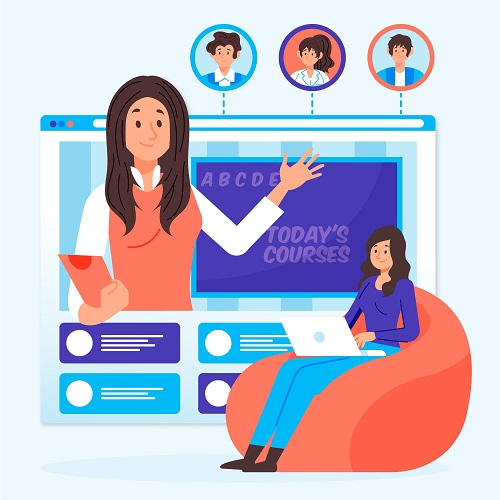
Students attending virtual classroom with teacher on video call

In recent years, educators across the globe have found themselves navigating an unprecedented transition: shifting their teaching habits from traditional classrooms to online environments. Today’s learning landscape demands flexibility, digital fluency, and innovative approaches that honor both academic rigor and student engagement. In this comprehensive guide, we explore how teachers can make this transition successfully while embracing the power of online learning.

Introduction: Understanding the Shift in Education

The evolution of education toward digital formats didn’t happen in overnight, but global circumstances — especially the extended period of remote learning — accelerated the need for teachers to rethink how they teach. What once was considered supplementary has become central: educators now must design lessons that work effectively in a virtual classroom while maintaining the integrity of instruction that was once delivered face-to-face.

This transition requires more than technical know-how; it demands a paradigm shift in pedagogy, communication, and engagement. Through this article, teachers will gain a roadmap to adapt traditional teaching habits, enrich their online practice, and create meaningful learning experiences regardless of physical location.

The Importance of Online Teaching and Its Benefits

Online teaching isn’t just a stopgap solution; it represents a fundamental change in how learning happens. When delivered well, online classes extend access to education, allow learners to engage with content at their own pace, and promote flexibility that traditional classrooms sometimes cannot offer. At the heart of this shift are tools and systems — such as learning platforms and communication technologies — that enable educators to design learning spaces that are interactive, accessible, and student-centered.

Research shows that when virtual classrooms are well organized and thoughtfully structured, students perceive them as legitimate learning spaces, which increases their sense of confidence and autonomy. Teachers who embrace this mindset find that online teaching creates opportunities for innovation that go beyond the limitations of physical classrooms.

Assessing Traditional Teaching Habits before Transition

Before fully stepping into a virtual environment, it’s essential for teachers to reflect on their current teaching habits. Traditional settings rely heavily on routines, nonverbal cues, and real-time interaction — all of which may not translate directly to an online setting. For example, spontaneous class discussions or real-time demonstrations that work wonderfully in person often need to be redesigned to fit digital platforms.

Teachers should start by identifying strengths in their current approach and ask: Which of these can be carried over? What needs transformation? This kind of introspection helps to bridge the gap between past practices and future possibilities. Understanding your own strengths and areas for growth empowers you to tailor your teaching for the online environment rather than simply replicating in-person lessons on a screen.

Mastering the Technology That Powers Online Teaching

An effective online teacher is, in many ways, a proficient technologist. Although deep technical expertise isn’t required, familiarity with key tools — such as Learning Management Systems (LMS), video conferencing platforms, online whiteboards, and collaborative document editors — is crucial for creating a smooth and engaging class experience.

Investing time in learning the features and limitations of these platforms will pay dividends in the classroom. For example, understanding how to set up a virtual breakout room for small group discussions or how to embed multimedia resources into a lesson can transform passive content into dynamic learning opportunities. Teachers should also prepare backup plans in case technology fails, ensuring instruction continues uninterrupted even when glitches occur.

Creating a Structured and Organized Virtual Classroom

Once the tools are in place, the next step is designing an online environment that students can navigate with ease. Organization matters immensely in online teaching — students should always know where to find assignments, how to submit work, and when to join synchronous sessions. A single hub or dashboard where learners can access lessons, announcements, and resources reduces confusion and fosters independence.

Like a physical classroom with labeled materials and defined spaces, an online classroom should feel familiar and dependable. Establish a consistent layout for each week’s content and use clear naming conventions for topics and files. When students can navigate your virtual space with confidence, they spend less time troubleshooting and more time learning.

Adapting Teaching Styles for Engagement and Clarity

Teaching online requires intentional communication and active facilitation. Unlike a physical setting where proximity and body language help maintain attention, virtual classrooms demand deliberate strategies to ensure clarity and engagement. Teachers should break complex topics into digestible segments and weave in opportunities for interaction — whether through discussions, polls, quizzes, or collaborative documents.

Clarity is especially important: students rely on written instructions, video cues, and concise messaging to understand expectations. Use clear language, provide examples when possible, and always outline the goals for a lesson at the beginning. This way, learners understand both the why and the how of the activity.

Designing Engaging Online Content with Accessibility

A key strength of online teaching lies in its flexibility to present content in multiple formats. Incorporating multimedia — such as videos, podcasts, animated visuals, and interactive simulations — helps maintain student interest and supports various learning styles. Teachers should also ensure that materials are accessible to all learners, including those with diverse needs. This means providing alternative text for images, transcripts for videos, and readable formats for all documents.

Engaging content should be relevant, purposeful, and connected to real-world contexts whenever possible. When students see the relevance of what they’re learning, motivation increases — even in virtual environments.

Encouraging Interaction and Community Building

One of the biggest challenges in online learning is fostering a sense of community. In a physical classroom, students connect naturally through group work, class discussions, and shared activities. In a digital context, teachers must build these opportunities intentionally.

Tools like discussion boards, student groups, breakout rooms for small group collaboration, and peer review assignments encourage students to engage with one another, share perspectives, and feel part of a learning community. Engagement doesn’t just make learning more enjoyable — research shows that interaction boosts retention and deepens understanding.

Providing Timely and Meaningful Feedback

Feedback in online teaching must be deliberate and timely to reinforce progress and guide improvements. Unlike traditional classrooms where feedback can happen spontaneously through verbal cues or written notes, virtual classrooms require structure around feedback cycles. Teachers should use rubrics to communicate expectations clearly and return assessments with personalized comments that help students grow.

Feedback isn’t only about correction; it’s about encouragement, affirmation, and helping learners understand the next steps. When students know where they stand and how to improve, they’re more likely to remain engaged and motivated.

Communicating Effectively With Students and Families

Communication in online teaching extends beyond delivering lessons — it’s about building relationships. Regular check-ins, announcements, office hours, and clear updates help students feel supported and aware of expectations. Because students and families may be navigating unusual circumstances, consistency and clarity in communication reduce confusion and create a sense of stability.

Teachers should set clear communication norms at the start of the course: how and when students can reach out, response times, and preferred channels (e.g., email, messaging platforms, video calls). This sets expectations and prevents misunderstandings.

Overcoming Common Challenges in Online Migration

Migrating to online teaching isn’t without obstacles. Technology issues, limited access for some learners, and struggles with student engagement are common pain points. Teachers must be patient with themselves, flexible in their plans, and willing to adjust strategies based on student feedback.

Rather than attempting to replicate classroom teaching exactly, educators should embrace the unique affordances of online environments and adapt methods that work best for digital learning. This might mean breaking content into shorter segments, using repeated patterns for predictability, or incorporating asynchronous elements so students can learn at times that suit them.

Continuing Professional Development for Online Practice

Effective online teaching isn’t static — it requires ongoing growth. Professional development opportunities such as workshops, online courses, and communities of practice help teachers stay current with best practices and evolving technologies. Engaging in professional learning networks allows educators to share insights, discover new tools, and support each other through challenges.

Continuously learning not only enhances instructional skills but also builds confidence and resilience — essential traits for navigating the ever-changing educational landscape.

The Future of Teaching: Merging Online and Traditional Models

As teachers become more adept at online instruction, the future of education is likely to embrace a blend of traditional and digital learning modes. Hybrid models that combine the best of in-person and online learning harness flexibility, personalization, and accessibility — ultimately benefiting a broader range of learners. Teachers who can balance these approaches will be uniquely positioned to design innovative learning experiences that maximize student success.

Final Takeaways: Empowering Educators for the Virtual Classroom

Migrating your teaching habits from conventional classrooms to the online world requires intention, adaptability, and a student-centered mindset. By learning how to structure effective virtual environments, engage learners through thoughtful content and interaction, and continually refine your teaching practice, you can make online teaching both meaningful and rewarding.

This transformation is not just about technology — it’s about using tools strategically to build connected, engaging, and empowering learning experiences for every student. As you navigate this journey, remember that each challenge presents an opportunity to grow, innovate, and elevate your teaching to new heights.

For more articles click here

How Teachers Should Migrate Their Teaching Habits to Online Mode — A Professional Guide Read More »

Virtual Classroom Security: Ensuring Privacy and Preventing Disruptions

Virtual Classroom Security: Ensuring Privacy and Preventing Disruptions

Introduction

The educational landscape has undergone a paradigm shift with the rise of virtual classrooms, allowing students and educators to connect in a digital space transcending geographical boundaries. The surge in online education, accelerated by the global pandemic, necessitates a closer examination of virtual classroom security. As institutions and individuals embrace this new normal, safeguarding the privacy of participants and preventing disruptions becomes a critical aspect of providing a safe and effective learning environment.

Definition of Virtual Classroom

Virtual classrooms represent a digital ecosystem where educators and students interact synchronously or asynchronously through online platforms. These environments leverage technology to replicate traditional classroom experiences, fostering dynamic discussions, collaborative projects, and real-time engagement.

Rise of Online Learning

The increasing prevalence of online learning can be attributed to technological advancements, the need for flexible education options, and the global shift towards remote work and education. Virtual classrooms offer a solution to these evolving needs, but this transition also necessitates a reevaluation of security protocols to ensure a seamless educational experience.

Importance of Virtual Classroom Security

Virtual classrooms bring with them a host of benefits, including accessibility and flexibility. However, as the reliance on digital platforms grows, so does the risk of security breaches. Ensuring the security of virtual classrooms is crucial not only for protecting sensitive data but also for fostering an environment where students and educators feel safe to engage in meaningful educational experiences.

Common Threats in Virtual Classrooms

Unauthorized Access

Unauthorized access to virtual classrooms poses a significant threat, potentially allowing individuals with malicious intent to disrupt sessions or compromise the privacy of participants. Robust authentication mechanisms and secure access protocols are essential to mitigate this risk.

Data Privacy Concerns

The virtual classroom environment involves the exchange of personal and sensitive information. Data privacy concerns arise when this information is inadequately protected, exposing students and educators to the risks of identity theft, financial fraud, or other forms of cybercrime.

Disruptive Activities

Disruptions, ranging from trolling to hacking, can derail the learning process and create an uncomfortable atmosphere. Addressing disruptive activities involves a combination of technological safeguards, user education, and proactive monitoring to identify and neutralize potential threats.

Strategies for Ensuring Virtual Classroom Security

Secure Access Protocols

Implementing secure access protocols is the first line of defense against unauthorized access. Multi-factor authentication, requiring participants to provide multiple forms of identification, adds an extra layer of security, ensuring that only legitimate users gain entry.

Encryption Techniques

Encryption is a cornerstone of virtual classroom security. Employing end-to-end encryption ensures that data transmitted between participants remains confidential and protected from interception by unauthorized entities. This cryptographic safeguard is pivotal in maintaining the integrity and confidentiality of virtual classroom communications.

User Authentication Measures

User authentication measures, including robust password policies, biometric verification, and periodic re-authentication, are essential components of a secure virtual classroom. Educators and students must be diligent in safeguarding their login credentials to prevent unauthorized access.

Virtual Classroom Settings and Controls

Virtual classroom platforms offer a myriad of settings and controls that, when configured correctly, enhance security. Educators should familiarize themselves with options such as participant permissions, content sharing restrictions, and session recording functionalities. Tailoring these settings to the specific needs of each session ensures a secure and controlled learning environment.

Best Practices for Educators and Students

Educators’ Role in Security

Educators bear a significant responsibility in maintaining a secure virtual learning environment. Regularly updating passwords, monitoring participant lists for unauthorized individuals, and promptly addressing any suspicious activities during sessions are proactive measures that educators can adopt to enhance security.

Student Awareness and Participation

Student engagement in virtual classroom security is equally crucial. Raising awareness about potential threats, encouraging the reporting of suspicious behavior, and educating students on security protocols empower them to be active contributors to the safety of the virtual learning community.

Communication of Security Policies

Transparent communication of security policies sets the foundation for a secure virtual classroom. Educators should clearly articulate the security measures in place, explain the rationale behind these measures, and provide guidance on how students can contribute to a secure learning environment. Establishing open communication channels ensures that everyone is on the same page regarding security expectations.

Future Trends in Virtual Classroom Security

Evolving Threat Landscape

The dynamic nature of the virtual landscape requires constant vigilance in anticipating and addressing evolving threats. Educators, institutions, and technology providers must stay informed about emerging risks, such as new forms of cyber-attacks or vulnerabilities, to proactively adapt security measures.

Technological Advancements

The future of virtual classroom security is intertwined with technological advancements. Artificial intelligence, machine learning, and biometric technologies hold promise in creating more sophisticated and adaptive security systems. These innovations have the potential to identify and respond to security threats in real-time, providing a more resilient defense against malicious activities.

Policy and Regulation Changes

As virtual classrooms become more integral to education, governments and educational institutions may enact new policies and regulations to address emerging threats. Staying compliant with these changes and actively participating in the formulation of policies ensure that virtual classroom security measures align with evolving standards.

Conclusion: Nurturing Secure Digital Learning Spaces

In conclusion, the exploration of virtual classroom security underscores the vital significance of safeguarding online education against potential threats. As virtual classrooms continue to redefine the educational landscape, the imperative to ensure privacy and prevent disruptions becomes foundational. Through a comprehensive analysis of common threats, strategic security measures, and collaborative efforts between educators, students, and policymakers, we have laid the groundwork for a resilient digital learning environment. The call to action resonates as a commitment to ongoing vigilance and adaptability in the face of evolving technological landscapes. In the journey towards securing the digital learning frontier, the fusion of proactive strategies, technological advancements, and a collective commitment offers the promise of a future where online education can flourish securely and empower learners worldwide.

For more articles click here

Virtual Classroom Security: Ensuring Privacy and Preventing Disruptions Read More »

Mastering Remote Learning: A Comprehensive Guide To Excelling In The Digital Classroom

The Teacher taking class through Remote and student learning in a Digital mode

In recent times, remote learning has revolutionized education, allowing students to pursue their studies from anywhere in the world. However, excelling in a digital classroom requires adaptability, self-discipline, and effective strategies. In this comprehensive guide, we will delve into the intricacies of remote learning, providing valuable insights and practical tips to help you succeed in this evolving educational landscape.

Understanding Remote Learning

Defining Remote Learning

Remote learning, also known as online learning or virtual learning, is a transformative educational approach that allows students to acquire knowledge and skills through online platforms and virtual classrooms. It eliminates the need for physical presence, enabling students to access educational resources, interact with instructors, and collaborate with peers remotely. Remote learning leverages technology to deliver lectures, assignments, and assessments, providing flexibility and accessibility to learners worldwide.

Embracing the Benefits of Remote Learning

Remote learning offers numerous benefits that contribute to academic success. One of the key advantages is flexibility, as students can study at their own pace and schedule, accommodating other commitments and responsibilities. Personalized learning is another benefit, as students can tailor their educational experience to their individual needs and preferences. With remote learning, students have increased access to resources, including digital libraries, research databases, and online textbooks, enriching their learning journey. Moreover, remote learning equips students with essential digital skills, fostering self-motivation, independence, and adaptability in the digital age.

Preparing for Remote Learning Success

Establishing a Productive Learning Environment

Creating an optimal learning environment is paramount for remote learning success. Start by designating a dedicated space solely for studying. Choose a quiet area that is free from distractions, such as a home office or a corner of a room. Ensure the space is well-lit and comfortable, with an ergonomic chair and a suitable desk or table. Keeping the workspace organized and clutter-free helps maintain focus and productivity.

Setting Clear Goals and Managing Time Effectively

To excel in remote learning, it is crucial to set clear goals and manage time effectively. Start by defining your long-term educational objectives and break them down into smaller, actionable goals. This approach makes your goals more attainable and provides a sense of progress and accomplishment. Create a study schedule or use digital tools like calendars or productivity apps to allocate time for different subjects, assignments, and revisions. Be realistic with your time management, considering your other commitments, and make adjustments as needed.

Equipping Yourself with the Necessary Tools and Resources

To navigate the digital landscape of remote learning, it is essential to have the right tools and resources at your disposal. Ensure you have a reliable internet connection, as it is crucial for accessing online lectures, participating in virtual discussions, and submitting assignments. Invest in a functional computer or device that meets the technical requirements of your educational institution. Familiarize yourself with the necessary software, online platforms, and learning management systems used by your institution. Take advantage of digital libraries, research databases, and online textbooks to augment your learning experience.

Navigating the Digital Classroom

Familiarizing Yourself with Online Learning Platforms

Online learning platforms serve as the virtual classroom in remote learning. Familiarize yourself with the platform used by your institution. Spend time exploring its features, such as discussion boards, file sharing, and online assessments. Understand how to navigate the platform effectively, access course materials, submit assignments, and interact with instructors and classmates. If there are tutorials or support materials available, utilize them to enhance your proficiency with the platform.

Engaging with Instructors and Peers

Active engagement with instructors and peers is vital for a meaningful learning experience in the digital classroom. Take advantage of communication tools such as email, discussion forums, and video conferences to clarify doubts, seek feedback, and actively participate in virtual class discussions. Regularly check your emails and discussion boards for updates from instructors and actively contribute to discussions by sharing your thoughts, asking questions, and offering insights. Building connections with your peers through virtual interactions fosters a sense of community, collaboration, and support.

Utilizing Available Support Services

Even in the remote learning environment, educational institutions provide support services to assist students. Explore the resources offered, such as online libraries, tutoring services, and academic advising. Online libraries provide access to a vast array of digital resources, including e-books, research papers, and journals. Take advantage of tutoring services or virtual office hours to seek additional help and clarify concepts. Academic advisors can provide guidance on course selection, academic planning, and address any concerns or challenges you may encounter. Utilizing these support services enhances your learning journey and ensures you have the necessary assistance to excel in your studies.

Developing Effective Study Strategies

Managing Online Coursework and Assignments

Effective management of online coursework and assignments is essential for success in remote learning. Start by breaking down larger assignments into smaller, manageable tasks. Create a study calendar or use digital tools to set realistic deadlines for each task. Prioritize tasks based on urgency and importance. Allocate dedicated time for research, reading, note-taking, and revision. Stay organized by keeping track of deadlines, using task management tools, and utilizing productivity techniques such as the Pomodoro Technique, which involves working in focused bursts followed by short breaks.

Cultivating Self-Discipline and Motivation

Remote learning requires self-discipline and motivation, as there are fewer external structures and accountability compared to traditional classrooms. Cultivate self-discipline by establishing a routine that aligns with your natural productivity patterns. Set personal deadlines and hold yourself accountable for meeting them. Break tasks into smaller, manageable chunks to avoid feeling overwhelmed. Celebrate milestones and achievements along the way to maintain motivation. Practice positive self-talk, visualize your goals, and remind yourself of the value of your education to stay focused and driven.

Enhancing Digital Literacy Skills

Developing digital literacy skills is crucial for thriving in the digital classroom. Familiarize yourself with various software applications commonly used in remote learning, such as video conferencing tools, document collaboration platforms, and productivity software. Improve your online research skills by using advanced search techniques, evaluating the credibility of online sources, and properly citing information. Enhance your online communication skills by utilizing appropriate netiquette, effectively participating in virtual discussions, and utilizing digital tools for effective collaboration. As technology continues to evolve, being adaptable and continuously updating your digital literacy skills will empower you to navigate the digital landscape with confidence.

Overcoming Challenges and Staying Engaged

Managing Distractions and Avoiding Procrastination

Remote learning presents unique distractions that can hinder productivity. Create a conducive study environment by minimizing distractions in your workspace. Silence or turn off notifications on your devices to avoid interruptions. Use productivity apps or browser extensions to block access to distracting websites or social media during study sessions. Implement time-blocking techniques, where you allocate specific time slots for focused studying and breaks. Develop strategies to combat procrastination, such as setting deadlines, breaking tasks into smaller steps, and practicing self-accountability.

Promoting Active Learning and Participation

Active learning and participation contribute to a more engaging and rewarding remote learning experience. Actively participate in virtual class discussions, group activities, and online forums. Pose thoughtful questions, contribute unique perspectives, and provide constructive feedback to foster meaningful interactions with your peers and instructors. Collaborate with classmates on group projects, engaging in virtual brainstorming sessions and collaborative document editing. Actively engaging with the course material and your peers enhances understanding, retention, and critical thinking skills.

Prioritizing Mental and Physical Well-being

Maintaining good mental and physical well-being is essential for academic success in remote learning. Take regular breaks during study sessions to avoid burnout and maintain focus. Engage in physical exercise or stretching to promote a healthy body and mind. Practice mindfulness or meditation techniques to reduce stress and enhance concentration. Establish a balance between your academic commitments and personal life by setting boundaries and allocating time for leisure activities, hobbies, and social connections. Seek support from family, friends, or online communities to share your experiences, concerns, and successes.

Conclusion: Thriving in the Digital Classroom: Unleashing the Power of Remote Learning

As we conclude this comprehensive guide, we reflect on the key insights and strategies shared to excel in remote learning. Mastering remote learning requires adaptability, self-discipline, and effective study strategies. By understanding the dynamics of remote learning, creating a productive learning environment, utilizing available resources, and actively engaging with instructors and peers, you can unlock the full potential of the digital classroom. Embrace the flexibility and digital tools that remote learning offers, overcome challenges with resilience, and prioritize your mental and physical well-being to thrive in this educational landscape. Your journey toward academic success in the digital era begins now!

For more articles click here

Mastering Remote Learning: A Comprehensive Guide To Excelling In The Digital Classroom Read More »

How The eLearning Industry Is Making Distance Learning More effective

Online Class through Laptop as a method of eLearning industry is making Distance learning more effective

In our increasingly connected world, it’s now easier than ever to get an education online. From entire degree programs to individual courses, there is a vast range of possibilities for distance learning. But how effective is eLearning?

In this post, we’ll be exploring how the eLearning industry is making distance learning more effective. We’ll look at the latest research and trends in the industry, and see how they are helping to improve the quality of online education.

What is eLearning?

eLearning is a type of training that is delivered electronically, usually over the Internet. It can be self-paced or delivered in a classroom setting, and it can be used to train employees on a variety of topics.

eLearning has several advantages over traditional classroom training. It is more cost-effective, it can be delivered to a larger audience, and it can be more convenient for learners. Additionally, eLearning can be more engaging than traditional classroom training, as it can make use of multimedia content and interactive activities.

If you’re considering using eLearning for your employee training, there are a few things you need to keep in mind. In this article, we’ll give you an overview of what eLearning is and how it can be used effectively for employee training.

The eLearning Industry is Growing

The eLearning industry is growing rapidly. This is due to the fact that eLearning is an effective way to learn, and it is very convenient. It is also much cheaper than traditional forms of education, such as attending a brick-and-mortar school.

This industry is expected to continue to grow in the coming years. This means that there will be more opportunities for those who are interested in working in this field. If you are thinking about a career in eLearning, now is the time to get started.

The eLearning Industry is making Distance Learning more effective

The eLearning industry is growing at an alarming rate. With the rise of technology, more and more people are opting for distance learning programs that allow them to learn at their own pace and in their own time. While this type of learning has its benefits, there are also some drawbacks.

One of the biggest challenges of distance learning is the fact that it can be quite isolating. Without the social interaction that comes with traditional classroom learning, some students can feel disconnected and alone.

However, the eLearning industry is making distance learning more effective by creating more opportunities for social interaction and connection. Through online forums, chat rooms, and video conferencing, distance learning students can now interact with their peers and mentors regularly. This makes the learning process more collaborative, which ultimately leads to better results.

The eLearning Industry offers Flexibility

The eLearning industry is one of the most rapidly growing industries today. This is due in part to the fact that eLearning offers a great deal of flexibility. It can be used for a variety of purposes, such as corporate training, employee development, and even personal development.

There are many advantages to eLearning, but the flexibility it offers is one of the most appealing aspects. eLearning can be used for a variety of purposes, and it can be customized to meet the needs of any learner. If you’re looking for an industry that offers a lot of flexibility, the eLearning industry is a great option.

The eLearning Industry is Affordable

The eLearning industry is a booming market with new players emerging every day. This industry is competitive, but it is also affordable. For example, you can find an eLearning platform that costs as little as $5/month. This is a fraction of the cost of a traditional learning management system (LMS).

What does this mean for you? If you are looking for an affordable way to get started with eLearning, you have options. You can choose from a variety of eLearning platforms that will fit your budget.

So don’t be discouraged if you don’t have a lot of money to spend on eLearning. There are many affordable options are available in market. All you need to do is do some research to find the right eLearning platform for you.

The eLearning Industry is Accessible

The eLearning industry is one of the most accessible industries for people with a wide range of experience and education levels. Whether you’re a recent graduate or a seasoned professional, there are plenty of opportunities for you to get involved in the eLearning industry.

There are many different aspects of the eLearning industry, from instructional design and development to project management and marketing. Whatever your skills and experience, there’s a place for you in the eLearning industry.

If you’re interested in getting started in the eLearning industry, check out our list of the top eLearning companies to work for. With a little research and effort, you’re sure to find a company that’s a perfect fit for you.

The eLearning Industry is an Interactive

The eLearning industry is an interactive one, with learners engaging in eLearning content on a variety of devices. We’ve seen a shift in recent years from desktop computers to laptops, and now to tablets and smartphones. This trend is only going to continue, as learners demand more flexibility and freedom in how they access and consume eLearning content.

As an eLearning developer, it’s important to keep this trend in mind and design your content accordingly. Make sure your content is responsive and can be accessed on a variety of devices. Keep your interactivity levels high, as learners are used to interacting with content on their smartphones and tablets. And finally, don’t forget to cater to different learning styles, as everyone learns differently and what works for one person may not work for another.

The eLearning Industry Provides Effective Feedback

The eLearning industry is growing at a rapid pace, and with it, the need for quality feedback. The feedback is a vital component of any online learning experience, and it can be the difference between a successful course and a failed one.

Effective feedback in eLearning provides learners with an objective evaluation of their progress, knowledge, and skills. It also helps them identify areas that require improvement and identifies their strengths. Feedback is a critical tool that helps learners to improve their learning experience and performance.

One significant advantage of eLearning feedback is that it is immediate. Traditional classroom feedback can take days, if not weeks, depending on the teacher’s workload. However, eLearning feedback is delivered instantly through self-assessment quizzes, interactive exercises, and simulations. This instant feedback allows learners to adapt their learning strategies, correct their mistakes immediately, and achieve their learning objectives sooner.

Another advantage of eLearning feedback is its flexibility. Online learners can receive feedback at any point during their learning journey, and from multiple sources, like instructors, peers, and self-assessment tools. This flexibility enables learners to tailor their learning paths and achieve their goals efficiently.

Lastly, eLearning feedback is transparent. Online learners can view their performance, knowledge growth, and areas that require improvement, giving them a sense of ownership and accountability. This transparency promotes self-reflection, facilitates self-directed learning, and motivates learners to continue learning. In conclusion, the eLearning industry’s effectiveness relies on its ability to provide quality feedback. Learners benefit from immediate, flexible, and transparent feedback, enabling them to improve their performance and achieve their learning objectives.

For more articles click here

How The eLearning Industry Is Making Distance Learning More effective Read More »

Everything You Need To Know About The Booming eLearning Industry

Tab with books behind that shows eLearning replaced the Traditional learning

What is Elearning?

Elearning or Distance Learning or just “online” learning, has been defined in many ways. For some, online learning sounds more like something you do at home than something you do in a school setting. Or maybe online learning is simply what you might get when browsing your local library for books or records. But others see online learning as something completely different and a real step forward in education. That’s why we’ve put together this post to introduce what elearning actually is, its advantages, and potential challenges and problems. Let’s dive right in.

What is Online Education?

Elearning is a form of online education, which is often compared to traditional classroom lectures. It involves providing course content material to a learner at their own pace. Instead of taking notes or listening to pre-recorded audio files, students are required to engage with the content through reading materials and/or interactive exercises. Students are typically allowed up to eight hours per week to complete these studies. They are usually asked to submit assignments and tests. However, this can vary depending on the program and instructor. Some programs include video lessons, while others focus primarily on text and images.

What are advantages of using Elearning?

Elearning is becoming increasingly popular because it offers several benefits to learners, instructors, and companies alike. Although there are several pros and cons associated with using an online format for education, here are just a few perks to consider. In terms of cost, online education can offer lower costs than face-to-face classes in certain cases. Since all the course information, including homework assignments and exams, is stored in a digital database, not only does this save money, but companies can also save lots of time and effort since everything goes into one place.

Plus, course material can be accessed from anywhere with an Internet connection. This means students aren’t confined by their physical location. Finally, there is no need to purchase expensive office equipment, furniture, computer towers, etc., since learners may be able to use laptops instead. All of these factors combined make online education quite affordable. If there is any downside to this scenario, however, it would be the student experience. While most websites provide an easy way to view and engage with materials in your course, they may require significant amount of work to ensure a good user experience for everyone.

On top of that, online courses are often less personalized compared to face-to-face interactions. Students have less control over the type of course materials available on the program. Sometimes a professor may be unavailable due to sickness or personal health concerns. There may also be instances where teachers or instructors have difficulty communicating properly, which adds another layer of complication to the learning process.

As technology becomes even more accessible, the number of options available in online learning increases exponentially. Also, there are many people who find elearning difficult or stressful. Many people don’t want to give up a great quality course and instead prefer studying at their own pace. These are all minor issues that can easily be resolved. Still, there are plenty of positives to these disadvantages as well. Here are just a few examples of things to take into consideration before adopting elearning.

What needs to be done before implementing Elearning?

Before implementing an elearning plan, there are several steps to take. First of all, you need to determine what kind of course delivery system you plan on utilizing. This includes both general tools such as email, web hosting, databases, and communication software. Then, it is crucial to decide whether or not you would like to employ instructional designers or trainers for your virtual lessons. Instructional design skills allow students to participate in creating the lesson plan and course flow while trainers assist with creating quizzes, tests, assignments, and feedback. Lastly, before investing in an online learning program, you will need to make sure you have the proper hardware needed for effective course creation.

Laptops, desktops, tablets, and high tech devices are all commonly used nowadays. So before making your final decision, do your research on what systems you’ll need for your particular class. After all, the same basic computer and internet infrastructure will likely be required for almost every elearning program. Another item to consider is how much space you’re willing to commit to the new venture. Do you really need to invest in very large classrooms equipped with hundreds of computers for each of your courses? Can you afford to buy some additional room in your office building if necessary? Consider your budget, schedule, and overall lifestyle to get you more clarity on the best course of action.

What will you learn from teaching Online Classes?

In addition to having access to numerous subject areas, coursework can be customized with customizable assessments and group tasks. Coursework can be graded by assigning points for each assignment. Instructors can assign grades based on a variety of criteria including completion time and skill level. Other grading options include passing a test (such as an exam or quiz), getting enough answers to the correct questions on a multiple choice question or chapter quizzes, and submitting a project report.

Depending upon your industry and certification requirements, you may also elect to receive feedback through email, chat, or phone calls from colleagues or peers. If your organization is considering offering certifications, many online teaching platforms will include built-in assessment tools for each area. Whether you’re looking to earn your master’s degree or attend a four year university, earning a certificate is the ultimate goal. Certifications have proven to improve job prospects and marketability in many industries. Additionally, many employers favor candidates who have passed certain online training courses as proof of proficiency. Thus, gaining certificates is a huge benefit and advantage when applying for employment. Furthermore, once you’ve gained credentials, it can be extremely helpful to network with fellow professionals. Networking events allow individuals to meet with individuals working in similar roles and gain valuable insights.

For more articles click here

Everything You Need To Know About The Booming eLearning Industry Read More »

What Aspects Of The eLearning Could Be Improved?

Self-paced eLearning is one of the aspects for improvement of eLearning

When you think about eLearning, what come to your mind? A virtual classroom for tutoring your children or something like Netflix? How can we improve our skills with online education? Let’s take an unbiased look at the advantages and disadvantages of this style of studying. We will be discussing them both.

A quick read on how it works

E-learning has become a popular form of study for universities, colleges, as well as corporate training and seminars. It provides students with multiple options for convenient access worldwide. Students can learn from their homes, study in classrooms, use digital tools, etc., depending on their needs. However, some things are specific to this method of teaching: the format, the subject, the availability and costs, and more. The first thing you need to know about e-learning is its definition.

Elearning vs. Traditional studies

Both the learning process and the medium of study can vary dramatically with regard to various factors. You can choose between print books, audiobooks, video lectures, and tutorials on different platforms. There is also the possibility of conducting group activities like conferences through videoconference, or just completing courses by reading textbooks. All these options make learning easier and provide convenience.

When you study at home in one place, you may feel isolated when moving around. In addition, you are limited by the time you have available to complete tasks and assignments and plan a day. For example, if there is no Internet connection, you will not be able to listen to any audio while taking notes or watching videos. Moreover, you can choose between two formats: paper and digital tools. Depending on which option suits your lifestyle best. This should be considered before making all of these decisions. Take into account that you might find another reason why you prefer learning in other ways, for instance, your work schedule is too hectic, or you prefer having friends over peers and communicating personally. With more than 100 million users on social networks, many people prefer learning online. This fact explains why this way of communication has become so prevalent in modern society.

The importance of self-paced

You can also combine online classes with personal experiences as part of a university course. Students are free to choose their pace, whether they want to watch videos or focus on listening to recorded lectures. They must decide whether they want to ask questions or simply sit back relax. Self-paced learning has numerous benefits. Firstly, students usually enjoy working on projects individually without getting tired of doing small tasks. Secondly, students who manage their own time can spend more time on their hobbies. Thirdly, they get to benefit from the most experienced teachers and professors, which has always been the case with offline educational methods. If you want to improve your academic skills but don’t like the feeling of isolation in the classroom, self-paced learning would benefit you the most.

Another great point concerning self-paced learning is the ease of setting it up. To begin with, there is no expensive equipment needed. Instead, computers and monitors are enough for someone to study online. Another important aspect of this study method is that it is accessible and affordable. Anyone who wants to pursue a degree or master’s program can do so with minimum expenses. Not only does it help save money, but it allows you to earn more over time. According to research, self-paced learning is the second best way to learn and gain new knowledge. Therefore, self-paced learning is highly recommended for anyone interested in improving their skill level.

Disadvantages and positive aspects

In addition to the above benefits, you might find that one of the drawbacks is related to how much space is left for everyone involved. Most people like using laptops at home, but they cannot keep track of everything happening there due to their high demands. Although online software offers flexibility, some limitations still apply. These include the lack of adequate storage space and poor sound quality. Furthermore, a good number of participants are still unable to log in because Wi-Fi connections are often unreliable across the globe. On the other hand, e-learning has several positive aspects. For example, online sessions allow learners to meet physically or even remotely without being tied down to a single location. Also, you could learn from real-world experts on topics you were unfamiliar with. Some of them might appear in person, giving insights into the field that you cannot see otherwise. Finally, there is the ability to connect with students who share similar interests and values.

For more articles click here

What Aspects Of The eLearning Could Be Improved? Read More »

How The Virtual Classroom Made Education More Accessible

A teacher is educating the student through Virtual Classroom

The introduction of the virtual classroom has had a significant impact on education. By providing learners with the opportunity to attend classes from any location, virtual classrooms have made education more accessible than ever before. With the ability to connect to educators from around the globe, students are now able to access a range of educational resources that may not have been available to them in the past. In this blog post, we will explore how the virtual classroom has made education more accessible.

What is a Virtual Classroom?

A virtual classroom is a type of online learning environment that replicates the traditional physical classroom by using virtual technologies such as audio, video and text-based communication. The term “virtual learning” is often used to describe any form of instruction that happens online, while “online learning” typically refers to courses and programs specifically designed for web-based delivery. Virtual classrooms are just one type of online learning, but they can provide many of the same benefits as a physical classroom experience.

In a virtual classroom, students and teachers interact in real-time via audio, video or text chat. Teachers can lead discussions and give presentations, as well as answer student questions. Students can interact with each other, ask and answer questions, and collaborate on group projects.

Virtual classrooms may use a combination of synchronous and asynchronous activities. Synchronous activities take place in real-time, such as live lectures and discussions, while asynchronous activities happen over time, such as prerecorded lectures or self-paced quizzes and assignments.

Overall, virtual classrooms can be highly effective for both teachers and students. They provide flexible, accessible learning environments that enable educators to reach a wider audience of students than traditional classrooms.

The advantages of the Virtual Classroom

The introduction of Virtual Classrooms has revolutionized the way we approach education, providing unprecedented flexibility and convenience to students, faculty and staff. Virtual learning provides an opportunity for students to access quality instruction and educational materials, no matter where they are located. As a result, students have been able to engage in more meaningful learning experiences and receive greater support from their teachers.

One of the primary benefits of virtual learning is the ability to access courses from anywhere in the world. This eliminates geographical barriers to education, allowing students to take courses from prestigious universities around the world without ever leaving home. It also eliminates the need for physical textbooks or libraries, as all course materials can be accessed digitally.

Another advantage of virtual learning is that it allows for greater flexibility in learning. Students can take courses at any time and from anywhere, as long as they have an internet connection. This makes it possible for students to work around their own schedules and fit their studies into their lives. Additionally, because there is no physical classroom, it is much easier for students to participate in online discussions and connect with their classmates.

Finally, virtual learning also provides a more personalized learning experience. Students can customize their learning experience based on their own needs and preferences. They can adjust the pace of their coursework to match their individual learning style, enabling them to make the most out of their educational experience.

In conclusion, the advantages of virtual learning are numerous, making it a great option for those who are looking for a convenient, flexible and personalized educational experience. The rise of virtual classrooms has allowed for increased access to quality education, opening up new opportunities for learners across the globe. Furthermore, these classrooms provide an invaluable resource for those who may not otherwise have had access to traditional schooling due to financial or logistical limitations. With the continued development of technology, virtual classrooms will become even more advanced, offering even more possibilities for learners. Ultimately, virtual classrooms present an amazing opportunity for everyone to pursue a high-quality education and gain valuable skills that will serve them throughout their entire lives.

The rise of the Virtual Classroom

The Virtual Classroom has been around since the early 2000s when it was first introduced as an experimental project. Since then, technology has seen rapid growth and development, becoming more and more popular as time went on. In recent years, it has become a staple in many school systems and online learning platforms.

The Virtual Classroom is unique in that it allows students and instructors to interact in a virtual environment, removing physical limitations from the equation. This means that participants can take part in activities, lectures and discussions with people from all over the world. With the help of video conferencing tools, they can discuss topics, collaborate on projects, and exchange ideas in real time.

The rise of the Virtual Classroom can be attributed to several factors. First and foremost, the increased availability of high-speed internet has made it possible for people to connect with each other more easily than ever before. This is especially true for students in rural or remote areas who may not have access to traditional classrooms. Furthermore, the introduction of powerful learning management systems has made it easier for teachers to organize and manage their classes, as well as keep track of student progress and achievements.

Finally, the cost associated with running a Virtual Classroom is often much lower than in traditional classrooms. This makes it an attractive option for schools looking to cut costs without sacrificing the quality of education. Moreover, by providing a variety of resources online, it has become easier for teachers to create unique learning experiences for their students.

As the Virtual Classroom continues to grow in popularity, its potential for transforming education will only become more evident.

How the Virtual Classroom made education more accessible

With the introduction of the virtual classroom, education has become more accessible than ever before. The virtual classroom is a type of learning environment where students and teachers communicate and collaborate via the Internet. This technology allows people to access classes, lectures, and other educational resources without having to physically attend a physical location. This means that anyone with an internet connection can access educational materials from any location in the world.

One of the main advantages of the virtual classroom is that it eliminates geographical boundaries and allows students to learn at their own pace and according to their own needs. The virtual classroom also eliminates the need for textbooks, making learning much more affordable. In addition, virtual classrooms allow for greater collaboration between students, as well as improved communication between instructors and students.

The rise of the virtual classroom has been rapid, as it has enabled educational institutions to offer courses online and make education available to students around the globe. This has made education much more affordable, and it has allowed people who otherwise would not have access to certain educational opportunities to benefit from them. Moreover, this new form of learning has created a global learning community where anyone can access educational content from any part of the world.

Virtual classrooms are also more accessible in terms of scheduling. Since classes can be held online, students have more flexibility in terms of when they take courses. They can attend classes at any time and from any location, which makes it easier for those with busy schedules to keep up with their studies. Overall, the virtual classroom has made education much more accessible by eliminating geographical and financial barriers to learning. It has opened up educational opportunities to those who may not have had access to them before, and it has allowed students to learn at their own pace and in their own way. With the virtual classroom, education is now available to everyone, regardless of where they are located or how much money they have.

For more articles click here

How The Virtual Classroom Made Education More Accessible Read More »

ELearning In The Virtual Classroom: Origins And Evolution

A person is taking Virtual class with Pen Tablet as an Evolution of eLearning

As technology advances, the way we learn is changing too. eLearning has become an integral part of our educational system, and the Virtual Classroom is a prime example of this evolution. In this blog post, we will explore the origins and evolution of eLearning in the Virtual Classroom, from its humble beginnings to the powerful tool it is today. Through this exploration, we will gain a better understanding of how the Virtual Classroom has shaped the world of education.

The first Virtual Classroom

The concept of the virtual classroom dates back to the late 1970s when educational institutions started to offer online learning and distance education programs. At the time, computers were being used in research labs and university departments, but there was not yet an established infrastructure for online learning. The development of the modern virtual classroom was a gradual process that began with the introduction of computers in education and the first use of email and chat tools for communication between students and teachers.

Early virtual classrooms consisted of limited access for remote students, typically only one or two at a time, with instructions delivered via email or teleconferencing technology. Students could interact with the instructor through text-based messaging systems, and courses were offered in limited areas such as engineering, computer science, and mathematics.

The virtual classroom at this point had very basic capabilities, with teachers having to take care of administrative tasks like maintaining student records and grading assignments manually. Additionally, communication was often slow and unreliable, since early internet connections were slow and expensive. However, this initial version of the virtual classroom laid the groundwork for later advances in online learning.

The rise of eLearning

The invention of the internet opened up a world of possibilities for learning, and distance education began to take hold. Distance education enabled students to take courses from anywhere in the world, as long as they had access to the internet. This technology allowed students to learn at their own pace and complete courses without ever stepping foot in a traditional classroom.

As the use of eLearning grew, so too did the number of digital educational platforms. Digital platforms such as Blackboard and Canvas revolutionized the way students learn and enabled educators to create engaging online course materials. These platforms also made it easier to track student performance and provide feedback quickly. With the rise of eLearning, students were able to take part in virtual classes with little or no disruption to their daily lives.

The use of eLearning has also enabled universities to offer a wider range of courses, even those that would be difficult or impossible to teach in a traditional classroom setting. For instance, students can now take part in advanced mathematics classes that may not have been available at their local university or college. This has helped many students pursue their dreams of obtaining an advanced degree or entering a highly competitive field.

Overall, the rise of eLearning has been a game-changer for the modern student. It has allowed them to expand their educational opportunities and explore new areas of study without ever leaving their home. Distance education has enabled students to take part in virtual classrooms and gain the skills they need to succeed.

The modern Virtual Classroom

Today, the modern virtual classroom has evolved significantly from its humble beginnings. With the growth of technology and the internet, virtual classrooms are now a popular choice for learners around the world.

Virtual classrooms allow students to access their courses and materials online in real-time with their peers, while also enabling teachers to interact with them and provide instruction.

Students can use these classrooms to learn at their own pace, and can even take part in live video classes. In addition to this, they can access discussion boards to ask questions and engage with each other in an interactive environment. This helps to create a sense of community, as well as foster collaboration between students.

Virtual classrooms also offer a variety of tools that allow students to stay organized and engaged. From progress tracking to notifications and reminders, these tools help keep students on track and make it easier for them to stay on top of their assignments.

In addition, virtual classrooms make it possible for teachers to incorporate multimedia into their lessons. This includes videos, podcasts, and other audio-visual elements that help make learning more interesting and engaging.

Overall, the modern virtual classroom offers a wide range of benefits that make it a great option for learners of all ages. From the convenience of access to the wide range of tools and resources available, the virtual classroom is an ideal way for learners to access their courses and materials anytime, anywhere.

The future of eLearning

The advent of technology has already changed the landscape of learning in a major way. With more people being able to access the internet, eLearning is becoming increasingly accessible and more cost-effective. As technology continues to evolve, so does the potential for eLearning.

In the future, eLearning will be even more interactive, engaging and immersive. Virtual and augmented reality will become integral components of eLearning, providing an engaging way to learn complex concepts.

As we continue to move towards a more connected world, remote learning will become even more important. Online collaboration tools will provide learners with the ability to connect and work together in virtual classrooms, even if they’re located on different continents.

eLearning will also become more social as users can connect with experts and peers who can provide support and guidance during their learning process. These interactions will make eLearning more effective and engaging, resulting in better educational outcomes for students.

The possibilities for eLearning are endless. As technology advances and new tools become available, eLearning will become a powerful way to learn, allowing learners to gain knowledge from all around the world without ever having to leave home.

For more articles click here

ELearning In The Virtual Classroom: Origins And Evolution Read More »

The Importance Of Virtual Classrooms For Students

A student is attending a Virtual Classroom and taking notes

The global pandemic has forced educational institutions to close their doors and move their lessons online. This has been a difficult transition for many students and teachers. However, there are some silver linings to be found in this new virtual world of education. One of the most positive things to come out of this situation is the rise of the virtual classroom.

A virtual classroom is an online learning environment that allows students and teachers to interact with each other in real-time. This type of platform has many advantages over traditional face-to-face learning. For example, it is more flexible and convenient, and it also provides students with a more immersive learning experience.

In this article, we will discuss the importance of the virtual classroom for students. We will also explore some of the benefits that this type of platform can offer.

It’s important to be able to learn in different ways

In a world that is increasingly driven by digital technologies, online learning and digital education are becoming more and more popular. While traditional classroom-based learning is still important, virtual classrooms can provide an invaluable alternative for students who are looking for different ways to learn. Virtual classrooms offer students the opportunity to learn in an environment that is convenient, flexible, and tailored to their individual needs.

Virtual classrooms allow students to access lessons and materials from anywhere, at any time. This makes it easier for students to fit learning into their busy schedules and manage their own learning pace. In addition, virtual classrooms provide access to resources that may not be available in a traditional classroom setting. This can include interactive tools, multimedia elements, and other materials that can help to make the learning experience more engaging and enjoyable.

Finally, online learning also offers students the chance to collaborate with peers from around the world. By connecting with classmates from diverse backgrounds and cultures, students can gain a deeper understanding of different perspectives and work together to reach common goals.

Virtual classrooms provide more opportunities for collaboration

Online learning has revolutionized the way students learn, providing them with the opportunity to collaborate with peers and instructors in ways that would not have been possible before. In a virtual classroom, students can work together in real-time on projects and assignments, while also being able to share resources and ideas more quickly and easily. Through digital education platforms such as Zoom or Google Classroom, students can have group discussions and ask questions to their teacher or classmates. This helps to foster an environment of collaboration, where students are encouraged to work together to complete tasks, as well as discuss and understand complex concepts. By taking advantage of this collaborative technology, students can increase their learning experience and gain greater understanding.

You can learn at your own pace in a virtual classroom

The great advantage of digital education is that it allows students to learn at their own pace. With virtual classrooms, students can go back over the material as many times as they need, or take their time when working on assignments. They have the flexibility to access the material and resources at any time and can work on topics and assignments as they see fit. This is especially beneficial for students who struggle with traditional classroom settings where they may feel overwhelmed or unable to keep up with their classmates. With a virtual classroom, they can work at their own pace without fear of judgment or feeling out of their depth.

Virtual classrooms can be more engaging than traditional classrooms

The traditional classroom environment can often be a bit dull and stagnant. But, virtual classrooms offer a wide range of engaging tools and resources to help keep students interested and engaged in the learning process. With interactive activities, quizzes, group discussions, and real-time feedback, virtual classrooms provide an exciting and dynamic learning experience.

One of the major benefits of virtual classrooms is that it encourages active participation from students. Through the use of web cameras and real-time communication, students can ask questions, interact with their peers, and collaborate on projects more easily than ever before. This makes the learning process much more interactive and engaging for everyone involved.

Virtual classrooms also provide access to a variety of educational materials that can help to keep students motivated. From educational videos and tutorials to fun activities and games, virtual classrooms provide a wealth of resources to help keep students engaged. These materials can be easily accessed at any time, allowing students to learn at their own pace.

In addition, virtual classrooms provide an opportunity for students to receive personalized feedback from their instructors. Since teachers can monitor the progress of each student, they can provide specific feedback and advice to help the student improve and progress. This type of individualized instruction is often more effective than a standard lecture or classroom discussion.

Overall, virtual classrooms offer a unique and engaging learning environment that can help to make the learning process more interesting and rewarding for students. With the ability to access educational materials at any time, collaborate with peers, and receive personalized feedback, virtual classrooms provide an invaluable resource for learners of all ages.

You have more control over your learning environment in a virtual classroom

One of the major advantages of virtual classrooms is that you have more control over your learning environment. For example, in a traditional classroom, there are often distractions like other students talking, loud noises, and other issues that can hinder your focus. In a virtual classroom, you can customize your environment so that it fits your needs. You can set up the lighting, background noise, and other elements to create an atmosphere that works best for you.

Additionally, since you don’t have to worry about being physically present in a classroom setting, you also have more control over when and how you learn. You can schedule learning sessions around your own availability and take breaks whenever you need to. You can also change your approach depending on the material and use different techniques such as videos, audio, or even text-based learning materials if that suits your needs better.

All in all, having more control over your learning environment in a virtual classroom gives you the freedom to customize your experience according to your own learning style. With the right setup, you can optimize your educational experience and maximize your results.

For more articles click here

The Importance Of Virtual Classrooms For Students Read More »

Challenges Of Distance Learning For Students

Idle way of attending online class is one of a challenges for students

Distance learning, also known as virtual learning, is becoming increasingly popular among students of all ages. With the growth of online courses and other digital learning opportunities, many students are looking for ways to continue their education without physically attending classes. While distance learning offers a great deal of convenience and flexibility, there are some challenges that students may face along the way. In this blog post, we will discuss some of the common challenges of distance learning for students. We will explore how these challenges can be addressed and offer suggestions on how students can make the most of their distance learning experience.

The need for self-discipline

With the rise of eLearning and online learning, students have been faced with a new challenge—self-discipline. In traditional classrooms, teachers provide structure, deadlines, and expectations for students. With distance learning, students must be able to set their own goals, create their own deadlines, and keep themselves on track. This requires a great deal of self-discipline and organization. Students must learn how to motivate themselves and stick to the schedule they’ve created. Without the proper motivation and dedication, it’s easy to get sidetracked or become overwhelmed. The ability to focus and commit is essential to success in an online learning environment.

Difficulty paying attention

One of the major challenges of distance learning for students is difficulty paying attention. This can be due to a variety of factors, such as the lack of in-person interaction with teachers and peers, being away from the traditional classroom setting, or simply being at home in a less structured environment. Without the direct supervision of a teacher, students may find it difficult to stay focused on their work, leading to decreased academic performance.

To help combat this issue, parents and students should consider setting up an organized workspace that is free from distractions. This could include a dedicated area of the house with a comfortable desk, minimal distractions, and good lighting. Additionally, students need to take regular breaks and engage in activities that promote focus and concentration. These activities could include physical exercise, yoga, listening to music, reading, or playing board games. Finally, providing students with incentives for staying focused can help to improve attention levels during online classes.

Lack of social interaction

One of the biggest challenges that students face with distance learning is the lack of social interaction. Without the ability to communicate and collaborate in person, it can be difficult for students to stay connected and engaged with their peers and teachers. This can lead to feelings of isolation, boredom, and even depression. Additionally, students miss out on critical classroom conversations and real-time feedback from their peers and teachers, which can limit their ability to learn and grow. It’s important for students to find creative ways to stay connected with their classmates online and for teachers to create an atmosphere where students feel comfortable engaging with each other through video chats or online forums.

Distractions at home

One of the biggest challenges of distance learning for students is staying focused and avoiding distractions in their home environment. From phones to TVs, there are a variety of potential distractions that can detract from learning. While it is understandable that students may not be able to completely eliminate all distractions in their homes, it is important for them to try their best to limit these temptations so that they can make the most of their eLearning experience.

Students should take the time to create a dedicated space to study that is free from noise and other potential distractions. Setting up a designated area to complete their schoolwork can help students get into a productive mindset and focus on their school assignments. Additionally, parents should help children to establish clear boundaries and expectations around when and how long they should be working on school-related tasks. This will ensure that students can stay on track with their studies and avoid being sidetracked by other activities at home.

Time management

Time management is a major challenge for students taking part in distance learning or eLearning. Without the structure of a physical classroom, it can be hard to keep on track with lessons and coursework deadlines.

Online learning can make it difficult for students to stick to a schedule and stay focused on their studies. To effectively manage their time, students should prioritize their workload and create a daily plan that breaks down tasks into achievable chunks. It’s also important to set aside specific times of the day for studying and to avoid procrastination. With clear goals and regular study sessions, students will be able to better manage their workload.

Distance learning presents a number of challenges for students, from the need for increased self-discipline to managing distractions at home. Learning from a distance requires students to be highly motivated and organized in order to stay on track with their studies. It’s important to remember that the challenges associated with distance learning can be overcome with hard work and dedication. With the right attitude and strategies, distance learning can be a positive and rewarding experience. By staying focused and utilizing available resources, students can succeed in their studies and continue to grow as individuals.

For more articles click here

Challenges Of Distance Learning For Students Read More »






