Education Guru

Virtual Education

How The Virtual Classroom Made Education More Accessible

A teacher is educating the student through Virtual Classroom

The introduction of the virtual classroom has had a significant impact on education. By providing learners with the opportunity to attend classes from any location, virtual classrooms have made education more accessible than ever before. With the ability to connect to educators from around the globe, students are now able to access a range of educational resources that may not have been available to them in the past. In this blog post, we will explore how the virtual classroom has made education more accessible.

What is a Virtual Classroom?

A virtual classroom is a type of online learning environment that replicates the traditional physical classroom by using virtual technologies such as audio, video and text-based communication. The term “virtual learning” is often used to describe any form of instruction that happens online, while “online learning” typically refers to courses and programs specifically designed for web-based delivery. Virtual classrooms are just one type of online learning, but they can provide many of the same benefits as a physical classroom experience.

In a virtual classroom, students and teachers interact in real-time via audio, video or text chat. Teachers can lead discussions and give presentations, as well as answer student questions. Students can interact with each other, ask and answer questions, and collaborate on group projects.

Virtual classrooms may use a combination of synchronous and asynchronous activities. Synchronous activities take place in real-time, such as live lectures and discussions, while asynchronous activities happen over time, such as prerecorded lectures or self-paced quizzes and assignments.

Overall, virtual classrooms can be highly effective for both teachers and students. They provide flexible, accessible learning environments that enable educators to reach a wider audience of students than traditional classrooms.

The advantages of the Virtual Classroom

The introduction of Virtual Classrooms has revolutionized the way we approach education, providing unprecedented flexibility and convenience to students, faculty and staff. Virtual learning provides an opportunity for students to access quality instruction and educational materials, no matter where they are located. As a result, students have been able to engage in more meaningful learning experiences and receive greater support from their teachers.

One of the primary benefits of virtual learning is the ability to access courses from anywhere in the world. This eliminates geographical barriers to education, allowing students to take courses from prestigious universities around the world without ever leaving home. It also eliminates the need for physical textbooks or libraries, as all course materials can be accessed digitally.

Another advantage of virtual learning is that it allows for greater flexibility in learning. Students can take courses at any time and from anywhere, as long as they have an internet connection. This makes it possible for students to work around their own schedules and fit their studies into their lives. Additionally, because there is no physical classroom, it is much easier for students to participate in online discussions and connect with their classmates.

Finally, virtual learning also provides a more personalized learning experience. Students can customize their learning experience based on their own needs and preferences. They can adjust the pace of their coursework to match their individual learning style, enabling them to make the most out of their educational experience.

In conclusion, the advantages of virtual learning are numerous, making it a great option for those who are looking for a convenient, flexible and personalized educational experience. The rise of virtual classrooms has allowed for increased access to quality education, opening up new opportunities for learners across the globe. Furthermore, these classrooms provide an invaluable resource for those who may not otherwise have had access to traditional schooling due to financial or logistical limitations. With the continued development of technology, virtual classrooms will become even more advanced, offering even more possibilities for learners. Ultimately, virtual classrooms present an amazing opportunity for everyone to pursue a high-quality education and gain valuable skills that will serve them throughout their entire lives.

The rise of the Virtual Classroom

The Virtual Classroom has been around since the early 2000s when it was first introduced as an experimental project. Since then, technology has seen rapid growth and development, becoming more and more popular as time went on. In recent years, it has become a staple in many school systems and online learning platforms.

The Virtual Classroom is unique in that it allows students and instructors to interact in a virtual environment, removing physical limitations from the equation. This means that participants can take part in activities, lectures and discussions with people from all over the world. With the help of video conferencing tools, they can discuss topics, collaborate on projects, and exchange ideas in real time.

The rise of the Virtual Classroom can be attributed to several factors. First and foremost, the increased availability of high-speed internet has made it possible for people to connect with each other more easily than ever before. This is especially true for students in rural or remote areas who may not have access to traditional classrooms. Furthermore, the introduction of powerful learning management systems has made it easier for teachers to organize and manage their classes, as well as keep track of student progress and achievements.

Finally, the cost associated with running a Virtual Classroom is often much lower than in traditional classrooms. This makes it an attractive option for schools looking to cut costs without sacrificing the quality of education. Moreover, by providing a variety of resources online, it has become easier for teachers to create unique learning experiences for their students.

As the Virtual Classroom continues to grow in popularity, its potential for transforming education will only become more evident.

How the Virtual Classroom made education more accessible

With the introduction of the virtual classroom, education has become more accessible than ever before. The virtual classroom is a type of learning environment where students and teachers communicate and collaborate via the Internet. This technology allows people to access classes, lectures, and other educational resources without having to physically attend a physical location. This means that anyone with an internet connection can access educational materials from any location in the world.

One of the main advantages of the virtual classroom is that it eliminates geographical boundaries and allows students to learn at their own pace and according to their own needs. The virtual classroom also eliminates the need for textbooks, making learning much more affordable. In addition, virtual classrooms allow for greater collaboration between students, as well as improved communication between instructors and students.

The rise of the virtual classroom has been rapid, as it has enabled educational institutions to offer courses online and make education available to students around the globe. This has made education much more affordable, and it has allowed people who otherwise would not have access to certain educational opportunities to benefit from them. Moreover, this new form of learning has created a global learning community where anyone can access educational content from any part of the world.

Virtual classrooms are also more accessible in terms of scheduling. Since classes can be held online, students have more flexibility in terms of when they take courses. They can attend classes at any time and from any location, which makes it easier for those with busy schedules to keep up with their studies. Overall, the virtual classroom has made education much more accessible by eliminating geographical and financial barriers to learning. It has opened up educational opportunities to those who may not have had access to them before, and it has allowed students to learn at their own pace and in their own way. With the virtual classroom, education is now available to everyone, regardless of where they are located or how much money they have.

For more articles click here

How The Virtual Classroom Made Education More Accessible Read More »

ELearning In The Virtual Classroom: Origins And Evolution

A person is taking Virtual class with Pen Tablet as an Evolution of eLearning

As technology advances, the way we learn is changing too. eLearning has become an integral part of our educational system, and the Virtual Classroom is a prime example of this evolution. In this blog post, we will explore the origins and evolution of eLearning in the Virtual Classroom, from its humble beginnings to the powerful tool it is today. Through this exploration, we will gain a better understanding of how the Virtual Classroom has shaped the world of education.

The first Virtual Classroom

The concept of the virtual classroom dates back to the late 1970s when educational institutions started to offer online learning and distance education programs. At the time, computers were being used in research labs and university departments, but there was not yet an established infrastructure for online learning. The development of the modern virtual classroom was a gradual process that began with the introduction of computers in education and the first use of email and chat tools for communication between students and teachers.

Early virtual classrooms consisted of limited access for remote students, typically only one or two at a time, with instructions delivered via email or teleconferencing technology. Students could interact with the instructor through text-based messaging systems, and courses were offered in limited areas such as engineering, computer science, and mathematics.

The virtual classroom at this point had very basic capabilities, with teachers having to take care of administrative tasks like maintaining student records and grading assignments manually. Additionally, communication was often slow and unreliable, since early internet connections were slow and expensive. However, this initial version of the virtual classroom laid the groundwork for later advances in online learning.

The rise of eLearning

The invention of the internet opened up a world of possibilities for learning, and distance education began to take hold. Distance education enabled students to take courses from anywhere in the world, as long as they had access to the internet. This technology allowed students to learn at their own pace and complete courses without ever stepping foot in a traditional classroom.

As the use of eLearning grew, so too did the number of digital educational platforms. Digital platforms such as Blackboard and Canvas revolutionized the way students learn and enabled educators to create engaging online course materials. These platforms also made it easier to track student performance and provide feedback quickly. With the rise of eLearning, students were able to take part in virtual classes with little or no disruption to their daily lives.

The use of eLearning has also enabled universities to offer a wider range of courses, even those that would be difficult or impossible to teach in a traditional classroom setting. For instance, students can now take part in advanced mathematics classes that may not have been available at their local university or college. This has helped many students pursue their dreams of obtaining an advanced degree or entering a highly competitive field.

Overall, the rise of eLearning has been a game-changer for the modern student. It has allowed them to expand their educational opportunities and explore new areas of study without ever leaving their home. Distance education has enabled students to take part in virtual classrooms and gain the skills they need to succeed.

The modern Virtual Classroom

Today, the modern virtual classroom has evolved significantly from its humble beginnings. With the growth of technology and the internet, virtual classrooms are now a popular choice for learners around the world.

Virtual classrooms allow students to access their courses and materials online in real-time with their peers, while also enabling teachers to interact with them and provide instruction.

Students can use these classrooms to learn at their own pace, and can even take part in live video classes. In addition to this, they can access discussion boards to ask questions and engage with each other in an interactive environment. This helps to create a sense of community, as well as foster collaboration between students.

Virtual classrooms also offer a variety of tools that allow students to stay organized and engaged. From progress tracking to notifications and reminders, these tools help keep students on track and make it easier for them to stay on top of their assignments.

In addition, virtual classrooms make it possible for teachers to incorporate multimedia into their lessons. This includes videos, podcasts, and other audio-visual elements that help make learning more interesting and engaging.

Overall, the modern virtual classroom offers a wide range of benefits that make it a great option for learners of all ages. From the convenience of access to the wide range of tools and resources available, the virtual classroom is an ideal way for learners to access their courses and materials anytime, anywhere.

The future of eLearning

The advent of technology has already changed the landscape of learning in a major way. With more people being able to access the internet, eLearning is becoming increasingly accessible and more cost-effective. As technology continues to evolve, so does the potential for eLearning.

In the future, eLearning will be even more interactive, engaging and immersive. Virtual and augmented reality will become integral components of eLearning, providing an engaging way to learn complex concepts.

As we continue to move towards a more connected world, remote learning will become even more important. Online collaboration tools will provide learners with the ability to connect and work together in virtual classrooms, even if they’re located on different continents.

eLearning will also become more social as users can connect with experts and peers who can provide support and guidance during their learning process. These interactions will make eLearning more effective and engaging, resulting in better educational outcomes for students.

The possibilities for eLearning are endless. As technology advances and new tools become available, eLearning will become a powerful way to learn, allowing learners to gain knowledge from all around the world without ever having to leave home.

For more articles click here

ELearning In The Virtual Classroom: Origins And Evolution Read More »

The Importance Of Virtual Classrooms For Students

A student is attending a Virtual Classroom and taking notes

The global pandemic has forced educational institutions to close their doors and move their lessons online. This has been a difficult transition for many students and teachers. However, there are some silver linings to be found in this new virtual world of education. One of the most positive things to come out of this situation is the rise of the virtual classroom.

A virtual classroom is an online learning environment that allows students and teachers to interact with each other in real-time. This type of platform has many advantages over traditional face-to-face learning. For example, it is more flexible and convenient, and it also provides students with a more immersive learning experience.

In this article, we will discuss the importance of the virtual classroom for students. We will also explore some of the benefits that this type of platform can offer.

It’s important to be able to learn in different ways

In a world that is increasingly driven by digital technologies, online learning and digital education are becoming more and more popular. While traditional classroom-based learning is still important, virtual classrooms can provide an invaluable alternative for students who are looking for different ways to learn. Virtual classrooms offer students the opportunity to learn in an environment that is convenient, flexible, and tailored to their individual needs.

Virtual classrooms allow students to access lessons and materials from anywhere, at any time. This makes it easier for students to fit learning into their busy schedules and manage their own learning pace. In addition, virtual classrooms provide access to resources that may not be available in a traditional classroom setting. This can include interactive tools, multimedia elements, and other materials that can help to make the learning experience more engaging and enjoyable.

Finally, online learning also offers students the chance to collaborate with peers from around the world. By connecting with classmates from diverse backgrounds and cultures, students can gain a deeper understanding of different perspectives and work together to reach common goals.

Virtual classrooms provide more opportunities for collaboration

Online learning has revolutionized the way students learn, providing them with the opportunity to collaborate with peers and instructors in ways that would not have been possible before. In a virtual classroom, students can work together in real-time on projects and assignments, while also being able to share resources and ideas more quickly and easily. Through digital education platforms such as Zoom or Google Classroom, students can have group discussions and ask questions to their teacher or classmates. This helps to foster an environment of collaboration, where students are encouraged to work together to complete tasks, as well as discuss and understand complex concepts. By taking advantage of this collaborative technology, students can increase their learning experience and gain greater understanding.

You can learn at your own pace in a virtual classroom

The great advantage of digital education is that it allows students to learn at their own pace. With virtual classrooms, students can go back over the material as many times as they need, or take their time when working on assignments. They have the flexibility to access the material and resources at any time and can work on topics and assignments as they see fit. This is especially beneficial for students who struggle with traditional classroom settings where they may feel overwhelmed or unable to keep up with their classmates. With a virtual classroom, they can work at their own pace without fear of judgment or feeling out of their depth.

Virtual classrooms can be more engaging than traditional classrooms

The traditional classroom environment can often be a bit dull and stagnant. But, virtual classrooms offer a wide range of engaging tools and resources to help keep students interested and engaged in the learning process. With interactive activities, quizzes, group discussions, and real-time feedback, virtual classrooms provide an exciting and dynamic learning experience.

One of the major benefits of virtual classrooms is that it encourages active participation from students. Through the use of web cameras and real-time communication, students can ask questions, interact with their peers, and collaborate on projects more easily than ever before. This makes the learning process much more interactive and engaging for everyone involved.

Virtual classrooms also provide access to a variety of educational materials that can help to keep students motivated. From educational videos and tutorials to fun activities and games, virtual classrooms provide a wealth of resources to help keep students engaged. These materials can be easily accessed at any time, allowing students to learn at their own pace.

In addition, virtual classrooms provide an opportunity for students to receive personalized feedback from their instructors. Since teachers can monitor the progress of each student, they can provide specific feedback and advice to help the student improve and progress. This type of individualized instruction is often more effective than a standard lecture or classroom discussion.

Overall, virtual classrooms offer a unique and engaging learning environment that can help to make the learning process more interesting and rewarding for students. With the ability to access educational materials at any time, collaborate with peers, and receive personalized feedback, virtual classrooms provide an invaluable resource for learners of all ages.

You have more control over your learning environment in a virtual classroom

One of the major advantages of virtual classrooms is that you have more control over your learning environment. For example, in a traditional classroom, there are often distractions like other students talking, loud noises, and other issues that can hinder your focus. In a virtual classroom, you can customize your environment so that it fits your needs. You can set up the lighting, background noise, and other elements to create an atmosphere that works best for you.

Additionally, since you don’t have to worry about being physically present in a classroom setting, you also have more control over when and how you learn. You can schedule learning sessions around your own availability and take breaks whenever you need to. You can also change your approach depending on the material and use different techniques such as videos, audio, or even text-based learning materials if that suits your needs better.

All in all, having more control over your learning environment in a virtual classroom gives you the freedom to customize your experience according to your own learning style. With the right setup, you can optimize your educational experience and maximize your results.

For more articles click here

The Importance Of Virtual Classrooms For Students Read More »

Challenges Of Distance Learning For Students

Idle way of attending online class is one of a challenges for students

Distance learning, also known as virtual learning, is becoming increasingly popular among students of all ages. With the growth of online courses and other digital learning opportunities, many students are looking for ways to continue their education without physically attending classes. While distance learning offers a great deal of convenience and flexibility, there are some challenges that students may face along the way. In this blog post, we will discuss some of the common challenges of distance learning for students. We will explore how these challenges can be addressed and offer suggestions on how students can make the most of their distance learning experience.

The need for self-discipline

With the rise of eLearning and online learning, students have been faced with a new challenge—self-discipline. In traditional classrooms, teachers provide structure, deadlines, and expectations for students. With distance learning, students must be able to set their own goals, create their own deadlines, and keep themselves on track. This requires a great deal of self-discipline and organization. Students must learn how to motivate themselves and stick to the schedule they’ve created. Without the proper motivation and dedication, it’s easy to get sidetracked or become overwhelmed. The ability to focus and commit is essential to success in an online learning environment.

Difficulty paying attention

One of the major challenges of distance learning for students is difficulty paying attention. This can be due to a variety of factors, such as the lack of in-person interaction with teachers and peers, being away from the traditional classroom setting, or simply being at home in a less structured environment. Without the direct supervision of a teacher, students may find it difficult to stay focused on their work, leading to decreased academic performance.

To help combat this issue, parents and students should consider setting up an organized workspace that is free from distractions. This could include a dedicated area of the house with a comfortable desk, minimal distractions, and good lighting. Additionally, students need to take regular breaks and engage in activities that promote focus and concentration. These activities could include physical exercise, yoga, listening to music, reading, or playing board games. Finally, providing students with incentives for staying focused can help to improve attention levels during online classes.

Lack of social interaction

One of the biggest challenges that students face with distance learning is the lack of social interaction. Without the ability to communicate and collaborate in person, it can be difficult for students to stay connected and engaged with their peers and teachers. This can lead to feelings of isolation, boredom, and even depression. Additionally, students miss out on critical classroom conversations and real-time feedback from their peers and teachers, which can limit their ability to learn and grow. It’s important for students to find creative ways to stay connected with their classmates online and for teachers to create an atmosphere where students feel comfortable engaging with each other through video chats or online forums.

Distractions at home

One of the biggest challenges of distance learning for students is staying focused and avoiding distractions in their home environment. From phones to TVs, there are a variety of potential distractions that can detract from learning. While it is understandable that students may not be able to completely eliminate all distractions in their homes, it is important for them to try their best to limit these temptations so that they can make the most of their eLearning experience.

Students should take the time to create a dedicated space to study that is free from noise and other potential distractions. Setting up a designated area to complete their schoolwork can help students get into a productive mindset and focus on their school assignments. Additionally, parents should help children to establish clear boundaries and expectations around when and how long they should be working on school-related tasks. This will ensure that students can stay on track with their studies and avoid being sidetracked by other activities at home.

Time management

Time management is a major challenge for students taking part in distance learning or eLearning. Without the structure of a physical classroom, it can be hard to keep on track with lessons and coursework deadlines.

Online learning can make it difficult for students to stick to a schedule and stay focused on their studies. To effectively manage their time, students should prioritize their workload and create a daily plan that breaks down tasks into achievable chunks. It’s also important to set aside specific times of the day for studying and to avoid procrastination. With clear goals and regular study sessions, students will be able to better manage their workload.

Distance learning presents a number of challenges for students, from the need for increased self-discipline to managing distractions at home. Learning from a distance requires students to be highly motivated and organized in order to stay on track with their studies. It’s important to remember that the challenges associated with distance learning can be overcome with hard work and dedication. With the right attitude and strategies, distance learning can be a positive and rewarding experience. By staying focused and utilizing available resources, students can succeed in their studies and continue to grow as individuals.

For more articles click here

Challenges Of Distance Learning For Students Read More »

Will Online Classes Replace Traditional Learning?

Student attending Online class and taking notes like a Traditional Classroom

Online Classes have become increasingly popular in recent years, providing students with an alternative to traditional forms of learning. With the rise of technology and access to the internet, more students are turning to online classes as a way to obtain their education. This raises the question: will online classes eventually replace traditional learning? In this blog post, we will explore this question and discuss the advantages and disadvantages of both online classes and traditional learning.

Why are online classes becoming more popular?

Online learning, also referred to as virtual learning, is becoming increasingly popular for both students and educators alike. Online classes offer a variety of benefits, from increased convenience to enhanced accessibility. With the growing popularity of technology and the development of more advanced online learning platforms, it has become easier and more efficient to access courses and classes without ever leaving the comfort of one’s home. This has made online classes an attractive option for many students who are looking for the flexibility that comes with learning in their own time.

Furthermore, online classes can make it possible for those who have physical disabilities or busy schedules to get the education they need. Additionally, with an increase in the availability of free or affordable online classes, it has become even easier for people to pursue their educational goals without breaking the bank. All in all, online learning is becoming more popular as its advantages become more apparent.

What are the advantages and disadvantages of online classes?

Online classes, also known as virtual learning, provide students with the flexibility to learn from anywhere at any time. They are becoming increasingly popular in today’s digital world, as they allow for more independence and less pressure from the traditional classroom setting.

The advantages of online classes include the convenience of being able to learn from anywhere, anytime. Students can access their course material from the comfort of their own homes and have access to lectures, assignments, and exams all at the touch of a button. Additionally, there is often more autonomy when studying in this format, allowing students to choose their own learning schedule and approach to assignments. Furthermore, online classes are typically cheaper than traditional classes due to lower overhead costs.

The disadvantages of online classes, however, include a lack of direct social interaction with professors and classmates. Virtual learning can be isolating since there are no face-to-face discussions and interactions with peers. Additionally, having no physical professor or professor’s assistant can make it difficult to get help with questions or assignment assistance. Moreover, online classes require students to be self-disciplined and motivated to stay on top of assignments and lectures.

Overall, virtual learning has both its advantages and disadvantages, but for many students, it provides an ideal solution to educational needs. With the right tools and resources, students can make the most out of their online classes and reap the benefits that come with virtual learning.

Are online classes here to stay?

With the pandemic causing universities and other educational institutions to switch to online classes, many people are asking if this will become a permanent shift or if things will eventually return to normal. The answer is complicated, as it depends on how each institution chooses to navigate the situation.

For some, online classes may become a permanent option, while others may decide that they want to return to traditional, in-person learning. For those who choose to stay with online learning, there is the potential for them to increase their reach and access students from all over the world. This could result in more students being able to access higher education, which would be incredibly beneficial.

On the other hand, there are many drawbacks to online classes that could make it difficult for institutions to remain in the virtual space for a long. For one, students often have difficulty with the lack of physical contact with professors and classmates. Additionally, there are also technical difficulties and connection issues that can cause disruptions and hinder the learning process.

Ultimately, whether or not online classes are here to stay depends on how each institution decides to approach the situation. With the right support and infrastructure, they could become a viable option for universities, but only time will tell if they will remain popular.

How can students make the most out of online classes?

Online classes can be a great learning experience for many students, but it’s important to take the right steps to get the most out of them. Here are some tips for making the most out of online classes:

1. Set up a dedicated workspace: Whether it’s in your bedroom, at a desk in your living room, or somewhere else, make sure you have a designated place for studying and taking part in online classes. Having a dedicated workspace will help you stay organized and focused when you’re learning from home.

2. Create a study schedule: Developing a daily or weekly study schedule can help you stay on top of all your classes and deadlines. Make sure to allocate enough time for each class and build in extra time for completing assignments and studying.

3. Get involved with discussions: Online classes often feature discussion boards or other platforms where students can interact and exchange ideas. Make sure to participate in these discussions to get the most out of your online classes.

4. Utilize available resources: Most online courses include additional resources, like videos, tutorials, quizzes, or reference materials that can help enhance your understanding of the subject matter. Take advantage of these resources to get the most out of your online classes.

5. Stay organized: Staying organized is a key to success in online classes. Create folders for each course and sub-folders for different assignments and materials. That way, you can easily access the materials you need when you need them.

By following these tips, you can get the most out of your online classes and ensure that you’re learning as much as possible.

Will online classes eventually replace traditional learning?

The growing popularity of online classes has raised the question of whether they will eventually replace traditional learning. While there are many advantages to taking online classes, such as the convenience and flexibility they offer, there are also drawbacks that can’t be ignored.

One of the primary advantages of online classes is that they can provide students with a more personalized learning experience. Students have the opportunity to work at their own pace and focus on topics that interest them. Online classes also make it easier for students to access course material since they are able to access lectures and readings from any location with an internet connection.

However, there are several disadvantages to taking online classes that should be taken into consideration. For example, online classes can be more difficult for some students because they don’t have the support of an instructor in person. It can also be challenging for students to stay motivated when taking online classes since there is less direct interaction with peers and instructors.

While online classes are becoming increasingly popular, it’s unlikely that they will completely replace traditional learning. Traditional learning offers many benefits, such as direct interaction with professors and peers, that can’t always be replicated in an online setting. Furthermore, there are certain courses that are difficult to teach online due to their hands-on nature, such as laboratory courses or courses involving physical activity. In conclusion, online classes can provide students with a more personalized learning experience and offer them greater convenience and flexibility. However, traditional learning still offers benefits that can’t be replaced by online classes and is unlikely to be replaced by them anytime soon. Students should consider their individual needs when deciding between traditional and online classes in order to make sure they get the most out of their education.

For more articles click here

Will Online Classes Replace Traditional Learning? Read More »

Online Tutoring Platforms In India

Conducting Online tutoring through Laptop, books and glass of water nearby

With the rise of online classes and remote learning due to the pandemic, online tutoring platforms in India are becoming increasingly popular. With so many options available, it can be difficult to choose the right one for you. Whether you’re looking to supplement your studies or take a course entirely online, finding the right online tutor and platform is an important step. In this blog post, we’ll explore the various online tutoring platforms in India, their features and benefits, and help you decide which one is right for you.

The Different Types of Online Tutoring Platforms

Online tutoring has become increasingly popular in India due to the growth of the internet and technological advancement. There are many different types of online tutoring platforms available, each offering unique benefits to its users. These include eLearning platforms, virtual classes, distance learning, and virtual learning.

eLearning Platforms: eLearning platforms are interactive websites that allow students to access course material from anywhere in the world. They provide comprehensive content such as videos, lectures, quizzes, and other activities that students can complete on their own time. The advantage of eLearning platforms is that students can learn at their own pace and take ownership of their education.

Virtual Classes: Virtual classes are similar to traditional classroom instruction in that students receive one-on-one instruction from an instructor. However, virtual classes are conducted online, either via video conferencing or through a virtual whiteboard. This type of platform allows students to participate in real-time, collaborative learning experiences with their peers and instructor.

Distance Learning: Distance learning is a form of online education that allows students to access course material and interact with their instructors remotely. With distance learning, students have more flexibility with their schedules and can complete coursework when it’s convenient for them.

Virtual Learning: Virtual learning is a type of technology-based education that uses digital tools and resources to facilitate learning. It combines the benefits of both eLearning and distance learning to create an engaging, immersive learning experience for students. Virtual learning often involves using simulated activities and real-life scenarios to help students learn a variety of topics.

No matter which type of online tutoring platform you choose, you’ll be able to access quality educational resources from anywhere in the world. By taking advantage of the different types of online tutoring platforms available, you’ll be able to gain a better understanding of the subject matter and become a better learner.

Which One is Right for You?

When choosing an online tutoring platform in India, there are a few factors to consider. It’s important to find a platform that offers the right type of tutoring, has qualified and experienced tutors, and is easy to use.

When it comes to finding the right type of tutoring, there are many options available. For example, some platforms specialize in language learning, while others focus on math or science. You should also look for a platform that offers one-on-one sessions with experienced tutors. This way, you can get personalized help and guidance tailored to your specific needs.

Another important factor is how easy the platform is to use. Look for one that has a simple user interface and is intuitive. Many platforms also offer helpful features such as live chat, video calls, and whiteboard tools for better communication between tutor and student.

Lastly, it’s important to research the qualifications of the tutors available on the platform. Make sure they are experienced in teaching the subject you need help with and have a good reputation among other users. You should also look for tutors who offer flexible scheduling and competitive rates.

With all these factors in mind, you’ll be able to choose the online tutoring platform that’s right for you. With the right platform, you can get the help and guidance you need to succeed in your studies.

How to Get the Most Out of an Online Tutoring Platform

The key to getting the most out of an online tutoring platform is to choose the right one for you. There are many different types of platforms available, each with its own set of features, benefits, and limitations. Consider your individual needs and goals when selecting a platform that best suits your needs.

Once you have chosen an online tutoring platform, there are several steps you can take to ensure you are getting the most out of your experience. Here are some tips to help you get the most out of your online tutoring platform:

1. Set Clear Goals: It is important to define what you want to accomplish before you begin. Take some time to create a list of short-term and long-term goals so that you can track your progress over time.

2. Utilize All Available Resources: Most online tutoring platforms offer a variety of tools and resources to help students achieve their learning objectives. Take advantage of these by exploring all of the resources available.

3. Schedule Regular Sessions: Scheduling regular sessions with your tutor will help you stay on track with your learning goals. Make sure to give yourself enough time for each session so that you can maximize your learning opportunities.

4. Ask Questions: Don’t be afraid to ask questions when you don’t understand something. Your tutor will be more than happy to help you better understand the material.

5. Take Notes: Taking notes during your tutoring sessions will help you remember what you learn and review the material at a later date.

By following these tips, you can get the most out of your online tutoring platform and reach your learning objectives in no time.

Pros and Cons of Online Tutoring Platforms

Online tutoring platforms can provide an excellent way to connect with students who want to learn. They offer convenience, flexibility, and affordability that traditional in-person tutoring services cannot match. However, there are also drawbacks to consider when deciding if online tutoring is the right choice for you.

1. Accessibility: Online tutoring platforms are generally available 24 hours a day, 7 days a week. This means that students can access help when they need it, no matter their location or time zone.

2. Variety of Subjects: Most online tutoring platforms offer a variety of subject areas and courses for students to choose from. This provides more options for students who have diverse interests and learning styles.

3. Cost Efficiency: Compared to traditional in-person tutoring services, online tutoring can be significantly more affordable. Many online tutoring platforms offer lower hourly rates than in-person services, as well as flexible payment options.

1. Technology Issues: Online tutoring depends on reliable technology, including internet connections and compatible devices. If any of these components fail, it can disrupt the learning experience.

2. Lack of Personalization: The best tutors are those who can customize the learning experience to the student’s needs. Online tutoring platforms may not be able to provide the same level of individualized attention as a traditional tutor.

3. Limited Interaction: Even with video conferencing, there is a limit to how much interaction students can have with their online tutors. In-person sessions usually provide more opportunities for communication and collaboration.

Overall, online tutoring platforms can provide an effective way for students to learn at their own pace and within their budget. To get the most out of these services, it’s important to consider the pros and cons before making a decision.

For more articles click here

Online Tutoring Platforms In India Read More »

5 things You Didn’t Know About Virtual Classroom

Classroom with table and chair - Virtual classroom

Have you ever considered taking an online class? Virtual classrooms are becoming increasingly popular among students, and it’s easy to see why. With a virtual classroom, you can learn from the comfort of your own home, while still having the same educational opportunities as a traditional classroom. While you may think you know all there is to know about virtual classrooms, there are some lesser-known aspects that may surprise you. In this blog post, we’ll explore 5 things you didn’t know about virtual classrooms.

1) They’re not just for online courses

Virtual classrooms offer a powerful platform for both eLearning and traditional classroom-based teaching. Virtual classrooms allow students to engage in real-time interactions with their teachers and peers, regardless of physical location. This makes them ideal for distributed learning, blended learning, and flipped classrooms. With virtual classrooms, students can collaborate with each other and their instructors in an interactive environment without having to be physically present.

What’s more, virtual classrooms allow teachers to easily create courses and distribute material to students, eliminating the need for paper-based materials and cutting down on the cost of printing materials. Virtual classrooms also provide the opportunity for asynchronous learning, which allows students to study at their own pace. And with the use of multimedia tools such as audio, video, and text-based conversations, virtual classrooms can help create engaging content for students that would otherwise not be available in a traditional classroom setting.

2) You can have real-time interactions

Real-time interaction is one of the key advantages of eLearning, virtual learning, and online learning. With virtual classrooms, you can participate in real-time discussions with your peers, instructors, and other experts. The ability to communicate in real time allows for a more engaging learning experience. You can ask questions, share insights, or give feedback instantly. It also allows for an interactive learning experience, as you are able to communicate with your peers and instructors without having to be physically present in the same room. Virtual classrooms also make it possible to host virtual events and webinars that allow students and instructors to engage in real-time. This can help to create a sense of community and camaraderie among learners that can enhance their overall learning experience.

3) Virtual Classrooms can save you time and money

eLearning, virtual learning, and online learning are becoming more popular due to their cost-effectiveness and convenience. Virtual classrooms allow for more efficient learning, as well as a more flexible learning environment. By cutting down on the amount of physical travel that is often necessary for traditional classroom settings, virtual classrooms can help save time and money. With virtual classrooms, students can access course materials from anywhere at any time, eliminating the need to travel to an educational facility. Additionally, virtual classrooms offer the opportunity to access courses from multiple devices, providing an even greater level of convenience. This flexibility can be extremely beneficial for those with hectic schedules. Virtual classrooms can also help save money by reducing overhead costs associated with physical classrooms, such as facility rentals and equipment purchases. Furthermore, the cost of eLearning is typically lower than traditional classroom instruction due to the lower costs associated with developing online content. All of these factors make virtual classrooms a great option for those looking to save time and money while pursuing their educational goals.

4) You can use them for asynchronous learning

Virtual classrooms are not just for real-time interactions. They can also be used for asynchronous learning, which is a type of online learning where students can access the materials and complete their coursework at their own pace. This type of learning is popular among working professionals and those with limited time. It also allows them to tailor their education to their own schedules.

In virtual classrooms, learners can view materials, watch lectures, read articles, participate in discussions, and complete assignments. In addition, they can work together in group projects or receive help from the instructor when needed. Virtual classrooms are especially helpful for students who have difficulty finding time to attend traditional classes due to scheduling conflicts.

Asynchronous learning provides students with flexibility and convenience, making it an attractive option for busy professionals and those with limited resources. Moreover, students don’t have to be geographically close to each other to participate in the same virtual classroom, as they can easily access their materials and lectures online. Virtual learning is also a great way to reduce travel costs, as learners don’t need to travel to attend classes.

5) You can use them to supplement face-to-face learning

Virtual classrooms offer an excellent way to supplement face-to-face learning. With virtual classrooms, you can provide additional resources to your students such as videos, podcasts, and documents. You can also create interactive activities such as quizzes, polls, and discussions to keep students engaged.

These activities can help to reinforce what has been taught in the physical classroom. For example, if you’re teaching a lesson on fractions, you could post a quiz or poll for students to take that reinforces the concepts they’ve already learned. This will help them retain the information more effectively.

In addition, virtual classrooms can be used to assign homework. This allows students to review their notes from the physical classroom session and complete any assignments that have been assigned. This is an excellent way to ensure that the students understand the material and are prepared for any future classes or tests.

By utilizing virtual classrooms to supplement face-to-face learning, teachers can better engage their students and ensure that they are retaining the material they learn. It is also an efficient way to assign and track student work while still providing individualized feedback.

In conclusion, virtual classrooms are not just for real-time interactions. They can also be used for asynchronous learning, which offers learners flexibility, convenience, and cost savings. With virtual learning, students can tailor their education to their own schedules and even collaborate with peers around the world.

For more articles click here

5 things You Didn’t Know About Virtual Classroom Read More »

Five Ways To Use Technology In Your Virtual Classroom

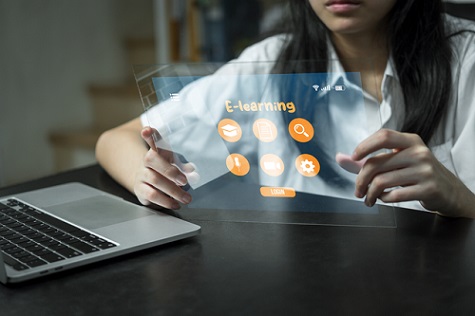
The girl is using a technology of touch screen Laptop for attending Virtual class

As digital education continues to evolve, virtual classrooms are becoming increasingly popular among educators. This technology offers many advantages over traditional classroom learning, including greater accessibility and convenience. With the right tools and strategies, teachers can maximize the potential of virtual classrooms to create a meaningful learning experience for their students. In this blog post, we will be exploring five ways to use technology in your virtual classroom to make learning more effective and engaging.

Live-streaming your class

Live-streaming your class is a great way to incorporate technology into your virtual classroom. It allows you to broadcast your lectures, activities, and other instruction in real time for students who are unable to physically attend class. This can be especially useful for eLearning, online learning, and distance learning courses. Live streaming your classes provides the same level of interactivity and engagement as a physical classroom, allowing students to have a more meaningful learning experience.

When setting up a live stream for your class, there are a few things to consider. First, make sure that you have a reliable streaming service that can handle large numbers of viewers. You’ll also need an internet connection that is strong enough to support the live stream. Additionally, it’s important to ensure that you are recording the stream in high quality audio and video so that students can view the content clearly. Finally, don’t forget to test the stream ahead of time to make sure that everything is running smoothly and that the audio and video quality is good.

Creating a virtual classroom

Creating a virtual classroom is an essential part of eLearning, online learning, and distance learning. In a virtual classroom, the instructor and students interact with each other using a computer-mediated communication platform such as Zoom or Skype. This type of classroom provides students with the opportunity to engage in real-time communication with their peers and the instructor.

The most important step when creating a virtual classroom is to make sure you have the necessary hardware and software installed. You’ll need reliable internet access, a microphone, a webcam, and an audio/video conferencing platform such as Zoom or Skype. Additionally, consider purchasing hardware that can be used to create content such as interactive whiteboards and audio/visual recording equipment.

Once the hardware is in place, it’s time to think about how you’ll set up your virtual classroom. Establishing ground rules and expectations is the key to successful online learning. Make sure to create rules regarding acceptable behavior in the virtual classroom and provide clear instructions for how to submit assignments and participate in class discussions.

Ensuring the virtual classroom has a positive atmosphere is also important. Ask students to post their own profile photos or introduce themselves using video during the first class meeting. You can also incorporate discussion boards, polls, or surveys into your lesson plans to increase engagement and interaction in the virtual classroom.

Finally, make sure to take advantage of the unique features available in virtual classrooms. Incorporate multimedia such as videos, podcasts, and slideshows into your lessons to help keep students engaged. Additionally, consider creating interactive activities such as breakout rooms or group projects to keep students motivated and interested in their online learning experience.

Using video conferencing

Video conferencing is a great way to engage with students in your virtual classroom. With this technology, you can easily connect with your students regardless of their physical location and create an interactive learning experience. Video conferencing tools like Skype, Zoom, and Google Hangouts make it easy for you to communicate with your students, answer questions, and give lectures. It also allows your students to interact with each other while allowing you to monitor their progress.

Video conferencing is especially useful for distance and eLearning courses, where it is difficult to connect with students on a personal level. It can help to bridge the gap between student and teacher, making the learning experience more engaging. With video conferencing, you can host lectures, lead class discussions, and provide feedback to your students in real-time. This makes it easier for you to ensure that your students are getting the most out of the material being taught. Additionally, video conferencing is a great way to host student presentations and group projects, allowing you to monitor their progress in an engaging and meaningful way.

Online collaboration tools

In the world of distance learning, online collaboration tools are essential for successful teaching and learning. These tools allow students and teachers to work together in a virtual environment. Tools such as Google Docs, Trello, or Slack provide a platform for shared document editing, task management, and real-time communication.

Using these tools, teachers can easily assign projects and tasks to their students, with the ability to track progress, receive feedback, and manage resources more efficiently. Additionally, students can collaborate with each other to complete group assignments and get instant feedback. This allows them to discuss their ideas more effectively and gain more insight into the material they are studying.

Online collaboration tools also allow students to receive support from each other and the teacher in real-time. Instant messaging applications such as Skype or Discord can be used to provide instant feedback and help students with any issues they may have with their coursework.

Online collaboration tools are an invaluable resource for distance learning and can greatly improve the learning experience for both teachers and students. By incorporating these tools into your virtual classroom, you can maximize engagement, optimize student performance, and make learning easier for everyone.

E-learning platforms

E-learning platforms are an effective way of delivering learning content to your virtual classroom. The platforms allow you to store, organize, and access course materials, lectures, quizzes, assessments, and other resources online. They also allow you to track student progress and offer support for personalized instruction.

It is easy to use and provide a variety of tools to create engaging content. You can upload videos, slideshows, audio files, and other documents that can be used to supplement traditional instruction. Additionally, you can create interactive exercises or quizzes to help your students better understand the material.

The platform also provide a great way to assess student performance. Through the platform, you can create tests or assignments that students can complete and submit for evaluation. The results from these activities can be automatically graded, so you can quickly and easily measure the progress of each student in your class. It is an invaluable tool for virtual classrooms as they enable teachers to deliver a rich learning experience for their students. They provide students with access to a wide range of materials, activities, and assessments, as well as allow teachers to track student progress and give personalized instruction.

For more articles click here

Five Ways To Use Technology In Your Virtual Classroom Read More »

The Do’s And Don’ts Of Virtual Classrooms

Laptop with notes and reader while attending Virtual Class or studying

With the rise of online learning, virtual classrooms have become an increasingly popular way for students to learn from the comfort of their homes. The convenience and flexibility offered by virtual classrooms make them an attractive option for many students and teachers. However, there are some important do’s and don’ts that must be followed in order to ensure the best possible experience for everyone involved. In this blog post, we will discuss the do’s and don’ts of virtual classrooms, and how to ensure a successful online learning experience.

DO use a distraction-free environment

When participating in eLearning, distance learning, virtual learning, online tutoring, or any other form of digital education, it is important to maintain a distraction-free environment. This means that you should keep other things away from your desk such as phones and television, as they will take your focus away from the task at hand. It is also important to let family members or roommates know when you are having an online class session so they do not disrupt your learning. Additionally, it is beneficial to create a workspace that is conducive to studying and free from clutter and noise.

DON’T be afraid to ask questions

One of the most important aspects of virtual classrooms is being able to ask questions. Asking questions helps ensure that you understand the material, and it can also give you a chance to get clarity on topics that may not be completely clear. In an eLearning or distance learning environment, it’s essential to feel comfortable asking questions so you can get the most out of your virtual education experience.

Don’t be afraid to use the chat feature or send a message to your teacher if you don’t understand something. This will make sure you’re getting the most out of your digital education. Likewise, online tutoring sessions are designed to give students extra help with specific topics they don’t understand. Utilizing these services can provide extra support and help you better understand course material.

DO take advantage of technology

One of the key advantages of virtual learning is being able to take advantage of technology. There are so many tools and resources available to you to help make your virtual learning experience as successful as possible. From virtual whiteboards to video conferencing tools, there is no shortage of ways to make sure your online classroom is a stimulating and collaborative space. Utilizing these technologies can make all the difference when it comes to providing an engaging environment for both you and your students.

Virtual learning also offers the ability to bring in guest speakers, connect with experts, and use videos or other multimedia sources for lectures, discussions, and activities. Take the time to explore all the options available to you and make sure that you are taking full advantage of what technology has to offer.

DON’T forget about body language

Body language is just as important in a virtual classroom as it is in a physical classroom. Even though you can’t be physically present, you can still make a good impression by using the right body language cues.

It’s important to use appropriate facial expressions and gestures. Don’t be afraid to nod your head or smile when someone is speaking, and be sure to maintain eye contact when you’re speaking. You should also make sure that you are sitting up straight and your posture is positive.

Other forms of body language can help too. Using hand gestures can help emphasize a point, and using visual aids such as slideshows can help bring a concept to life.

By making sure to use appropriate body language, you’ll be able to make sure that you’re communicating your message clearly and effectively in a virtual classroom setting.

DO stay engaged

One of the most important things you can do while in a virtual classroom is stay engaged. To do this, make sure to turn on your camera and keep an eye on the chat feature. Even though you might be tempted to get lost in other tasks or become distracted by technology, it’s important to stay focused on the task at hand. Make sure to participate in discussions and offer ideas when appropriate.

Staying engaged with your classmates will help make the virtual classroom more enjoyable and beneficial for everyone. Additionally, take advantage of any interactive elements that the instructor has incorporated into the lesson such as polls, quizzes, or surveys. These are great ways to get involved and engage with others. Finally, make sure to ask questions when needed so you can get clarification on the material or further understanding of the topic.

DON’T be afraid to be yourself

In the virtual classroom, it is easy to feel isolated and like you have to fit a certain mold or ideal. It can be intimidating to speak up in an online environment, but don’t forget that it is important to express yourself and let your voice be heard. Don’t be afraid to be yourself. You may be the only one with your particular point of view and that’s what makes it valuable.

Speak up when you have something to contribute and trust yourself to be confident in your opinion. You may surprise yourself at the insight you can provide. Additionally, make sure to engage with your classmates and develop relationships with them beyond the classroom. This will help you feel more connected to your peers and make virtual learning more enjoyable.

When it comes to virtual classrooms, it is important to remember that there are some do’s and don’ts that will help ensure the learning environment is successful. Create a distraction-free environment, ask questions, take advantage of technology, pay attention to body language, stay engaged, and be yourself. With these tips in mind, you can create an effective and enjoyable virtual classroom experience for everyone involved.

For more articles click here

The Do’s And Don’ts Of Virtual Classrooms Read More »

Evolution Happened In Digital Education

Laptop with notes, pen & cup of coffee on a table shows an evolution of Digital Education

Digital education is an educational process that includes the use of digital technologies to deliver, support, and enhance the learning process. It encompasses a wide range of activities, including the use of digital devices, virtual education, online education, virtual classroom, distance education, online learning, and more.

In recent years, there has been a growing trend of incorporating digital technologies into the education process. This trend is being driven by the need for more effective and efficient ways to deliver and support the learning process.

Digital education has several advantages over traditional education models. It is more flexible, efficient, and effective. It also has the potential to reach a wider audience and provide more customized learning experiences.

Digital education is an important trend that is revolutionizing the way education is delivered and experienced.

How Digital Education has Evolved?

Digital education has undergone a major evolution in recent years. What was once a niche area of education has now become a mainstream learning platform used by millions of students around the world? This shift has been driven by several factors, including the increasing availability of high-speed internet, the declining cost of online education, and the rise of mobile learning.

As digital education has become more commonplace, we have seen a number of different trends emerge. These trends include the rise of online courses, the popularity of mobile learning, and the growth of distance learning. Each of these trends has had a major impact on the way we learn and the way we think about education.

As more and more people turn to online learning we can expect to see new technologies and teaching methods being developed to improve the learning experience. One trend that is already emerging is the use of virtual and augmented reality in education. This technology allows students to immerse themselves in a simulated environment where they can practice their skills and learn in a more engaging way.

Digital education has also made education more accessible to people in remote areas or with disabilities. With distance learning, students can learn from anywhere with an internet connection, and they can do so at their own pace. This has opened up new opportunities for people who may not have been able to attend traditional schools, allowing them to pursue their education and career goals.

Overall, digital education has revolutionized the way we learn and has made education more accessible and convenient than ever before. While it may never fully replace traditional learning methods, it is clear that digital education will play an increasingly important role in the future of education.

What are the Benefits of Digital Education?

Digital education has a number of benefits over traditional education. First and foremost, it is more convenient and flexible. You can access digital educational resources at any time and from anywhere. Additionally, digital education is often more affordable than traditional education. And finally, digital education can often be more engaging and interactive than traditional education.

Digital education has a number of advantages over traditional education. It is more flexible and convenient, more affordable, and can often be more engaging. With these advantages, it is no wonder that digital education is becoming more and more popular.

Some Challenges of Digital Education

Digital education has been touted as the future of learning. It offers many advantages over traditional classroom-based education, such as increased flexibility and accessibility. However, there are also some potential challenges that come with digital education.

For one, online learning can be isolating. Since students are not physically in a classroom together, they can miss out on the social aspects of learning. Additionally, online students can sometimes feel like they are not getting the same quality of education as their peers in traditional classrooms. Additionally, digital education can be quite expensive, as it often requires students to have access to a computer and reliable internet.

Despite these potential challenges, digital education can be a great way for students to learn. It is important to be aware of the challenges, but with proper planning and support, they can be overcome.

How to Make Digital Education Better?

Digital education is not a new concept. It has been around for quite some time now. And, in recent years, it has become quite popular. With the rise of the internet and the advancement of technology, more and more people are turning to digital education for their learning needs.

However, despite its popularity, there are still some areas where digital education can be improved. In this article, we will discuss some ways in which digital education can be made better.

1. One of the ways in which digital education can be improved is by making it more interactive. At present, most digital education courses are quite static and lack interactivity. This can make the learning process quite boring and tedious. To make digital education more interactive, educators can use tools such as video, audio, and simulations.

2. Another way to make digital education better is by personalizing the learning experience for each student. The one-size-fits-all approach to education is no longer effective, as students have different learning styles and preferences. Educators can use technology tools to gather information about each student’s strengths and weaknesses and tailor their learning experience accordingly. This can include personalized feedback, customized materials, and tutoring services.

3. A third way to improve digital education is by promoting collaboration and peer-to-peer learning. Traditional education tends to be very teacher-centered, but digital education provides an opportunity to shift the focus to student-centered learning. By using online platforms and tools, educators can facilitate collaboration and interaction among students, allowing them to learn from each other and share ideas. This can lead to increased engagement and better learning outcomes.

4. Finally, digital education can be improved by incorporating experiential learning opportunities. This can include virtual field trips, simulations, and gamification. By providing hands-on experiences, educators can make learning more engaging and meaningful, and help students to develop practical skills that can be applied in the real world. Experiential learning can also help to foster curiosity and creativity and prepare students for the challenges of the 21st century.

For more articles click here

Evolution Happened In Digital Education Read More »