
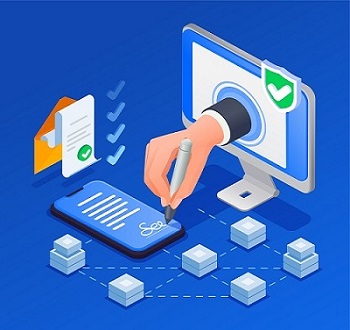
Introduction to eSignature in Education
In today’s fast-paced digital world, educational institutions are quickly embracing technology to streamline operations and increase productivity. Among these inventions, eSignature in education has emerged as an important tool that is transforming how schools and universities manage documentation. From student admissions to staff onboarding, eSignatures are helping institutions move toward a paperless education system that is sooner, more secure, and extremely effective.
Traditionally, schools and universities relied heavily on paper-based workflows. However, these manual processes often led to delays, lost documents and administrative inefficiencies. In contrast, adopting digital signature results for schools allows institutions to automate workflows, reduce paperwork and enhance productivity.
Moreover, with the increasing adoption of online education and remote learning, the need for online document signing in education has become more crucial than ever. eSignature enable students, parents and educators to sign documents anytime, from anywhere, making education more accessible and convenient.

What is an eSignature and How It Works
An eSignature (electronic signature) is a digital system of signing documents that eliminates the need for physical paperwork. It allows users to sign documents electronically while ensuring authenticity, security, and legal compliance.
Types of eSignatures
There are different types of eSignatures used in education. Basic electronic signatures include typed names or scanned signatures, while advanced digital signatures use encryption technology to verify the identity of the signer. Many institutions prefer secure digital signatures because they provide enhanced protection and legal validity.
How eSignature Technology Works
eSignature platforms operate through a simple yet important process. Users upload documents, assign signatories, and send them electronically. The recipient can then sign the document using a digital method, such as drawing a signature or clicking to approve. The system records every step, including timestamps and user authentication, ensuring transparency and security.
Legal Validity and Compliance
One of the most important aspects of eSignature is their legal recognition. In most countries, eSignatures are legally binding and comply with regulatory standards. Additionally, they provide inspection trails, making it easy to track document activity and maintain compliance with institutional programs.
Why Schools and Universities Need eSignatures
Educational institutions deal with a massive volume of paperwork daily, including registration forms, consent forms, contracts and financial documents. Managing these documents manually can be time-consuming and inefficient.
Firstly, the administrative workload in schools and universities continues to grow. Staff members frequently spend countless hours processing documents, following up for signatures and maintaining records. eSignatures eliminate these inefficiencies by automating document workflows.
Secondly, the shift toward digital transformation in education has made it essential for institutions to adopt modern tools. Today’s students and parents expect quick and seamless digital experiences and eSignatures help meet these expectations.
Additionally, remote learning and global education programs have increased the need for digital results. With stakeholders located in different regions, eSignatures enable seamless communication and document signing without geographical limitations.

Top Benefits of eSignature in Education
Faster Document Processing
The most important benefits of eSignature are faster in process. Traditional paper-based processes often involve printing, signing, scanning, and mailing documents, which can take days or even weeks. In contrast, eSignatures allow documents to be signed instantly.
For example, educational institutions that adopt digital signatures can drastically reduce enrollment processing time, enabling faster onboarding of students and improved operational efficiency.
Cost Savings and Paperless Operations
eSignatures help institutions reduce costs associated with paper, printing, storage, and courier services. Schools handle thousands of documents annually, and transitioning to digital processes can result in significant savings.
Furthermore, cost savings allow institutions to allocate resources more effectively, such as investing in better infrastructure or enhancing teaching quality.
Enhanced Security and Compliance
Security is a major concern in education, as institutions handle sensitive data such as student records and financial information. eSignatures offer advanced security features, including encryption, authentication, and audit trails.
These features ensure that documents remain damage-proof and compliant with legal standards, providing peace of mind for administrators and stakeholders.
Improved Efficiency and Productivity
By automating document workflows, eSignatures significantly improve efficiency. Administrative staff can process documents faster, reduce errors, and eliminate repetitive tasks.
As a result, educators can concentrate more on teaching and student engagement rather than paperwork. This leads to improved productivity and better institutional performance.
Remote Access and Convenience
eSignatures enable users to sign documents anytime and from anywhere. This is especially beneficial in remote learning environments, where students and parents may not be physically present on campus.
Additionally, mobile-friendly platforms allow users to sign documents using smartphones, making the process more accessible and convenient.
Eco-Friendly and Sustainable Solution
Using eSignatures supports environmental sustainability by minimizing the need for paper. Educational institutions can significantly lower their carbon footprint by transitioning to digital documentation.
This shift not only supports sustainability goals but also sets a positive example for students to adopt eco-friendly practices.

Key Uses of eSignature in Schools and Universities
Student Admissions and Enrollment
eSignatures simplify the admissions process by enabling students and parents to sign application forms digitally. This reduces delays and improves communication between institutions and applicants.
Additionally, digital enrollment systems ensure accuracy and eliminate the risk of lost or incomplete forms.
Student Consent Forms and Permissions
Schools frequently require parental consent for activities such as field trips and extracurricular programs. eSignatures make it easy to collect permissions quickly and securely.
Staff Hiring and HR Documentation
Educational institutions use eSignatures to streamline HR processes, including employment contracts, onboarding forms, and policy acknowledgments. This streamlines administrative work and speeds up the recruitment process.
Academic Records and Transcripts
eSignatures ensure the authenticity of academic documents such as transcripts and certificates. This enhances credibility and prevents unauthorized modifications.
Financial Aid and Fee Agreements
Processing financial aid documents and fee agreements becomes faster and more efficient with eSignatures. Students can sign and submit documents quickly, reducing delays.
Research Agreements and Collaborations
Universities often collaborate with external organizations for research projects. eSignatures simplify contract management, enabling faster approvals and smoother collaborations.
Administrative Approvals and Internal Documents
Internal workflows, such as leave applications and approvals, become more efficient with eSignatures. This improves transparency and ensures better document management.
Real-Life Examples of eSignature in Education
Many schools and universities worldwide have successfully implemented eSignature solutions to improve efficiency. For instance, institutions that switched to digital enrollment systems reported faster processing times and reduced administrative workload.
Similarly, universities using eSignatures for faculty contracts have streamlined onboarding processes, ensuring that staff can start their roles without delays.
Moreover, the adoption of eSignatures has increased significantly in recent times, highlighting their growing importance in modern education systems.
Challenges of Using eSignature in Education
Despite its many advantages, implementing eSignature technology comes with certain challenges. One of the primary concerns is the initial investment required for software and training.
Additionally, some institutions may face resistance from staff who are accustomed to traditional paper-based systems. Data privacy and security concerns also need to be addressed to ensure compliance with regulations.
However, with proper planning and training, these challenges can be overcome, allowing institutions to completely benefit from eSignature solutions.
Future of eSignature in Education
The future of education is digital and eSignatures will play a crucial role in this transformation. As technology continues to evolve, eSignatures are expected to integrate with advanced tools such as artificial intelligence and automation.
Furthermore, the increasing demand for digital signature for schools and universities indicates that more institutions will adopt this technology in the coming years.
As a result, educational institutions will become more efficient, secure, and accessible, creating a better experience for students and staff alike.
Building a Fully Digital and Paperless Education Ecosystem
As schools and universities continue to evolve in the digital era, adopting eSignatures is no longer just an option—it is a necessity. The benefits of eSignature in education, including faster processing, cost savings, enhanced security, and improved efficiency, make it an essential tool for modern institutions.
More importantly, eSignatures support the transition toward a paperless education system, enabling institutions to operate more sustainably while delivering a better user experience.
Therefore, institutions that embrace eSignature technology today will not only streamline their operations but also position themselves as forward-thinking leaders in the education sector. By adopting online document signing solutions, they can create a smarter, more efficient, and future-ready education ecosystem.
For more articles click here
